


Think a small backyard means you have to settle for a small, boring patio? Think again. What if a few well-planned feet could give you space for morning coffee, weekend barbecues, or relaxing evenings outdoors, without making your backyard feel cramped? The right concrete patio ideas can turn even a compact backyard into a comfortable extension of your home. With thoughtful layouts, attractive finishes, smart furniture choices, and a few design tricks, you can create an outdoor space that feels larger than it actually is.
The secret isn’t simply adding more. It’s making every inch work harder. Whether you’re planning a complete backyard makeover or looking for concrete patio ideas on a budget, there are plenty of ways to create a stylish and functional space without overwhelming your yard. So, what designs work best for small backyards? Let’s explore.
1. Choose a Simple, Space-Smart Layout
When space is limited, the layout of your patio matters just as much as its appearance. A simple rectangular patio can work particularly well against the back of a home because it creates a defined entertaining area without taking over the entire yard. If your backyard has an unusual shape, an L-shaped patio can help make use of corners that might otherwise go unused. Curved edges can also soften the appearance of a compact space. However, avoid adding too many curves, borders, or separate sections. Too many visual divisions can make a small patio feel even smaller.
Design tip: Before construction begins, mark the proposed patio area with stakes or temporary tape. Walk through the space and imagine where your table, chairs, grill, and walking paths will go.
2. Use Patterns to Create the Illusion of More Space
One of the easiest ways to make a small patio visually interesting is through the surface pattern. Instead of covering the entire area with a plain finish, consider decorative scoring, borders, or geometric patterns. Long lines can visually stretch the patio, while a contrasting border can define the edges without requiring additional materials. This is where different concrete designs for patios can make a significant difference.
You might consider:
- Linear scoring for a modern appearance
- A simple border around the patio
- Large geometric sections
- Subtle textures that mimic natural stone
- Two complementary finishes for visual contrast
The key is restraint. A small space usually benefits from one strong design feature rather than several competing ones.
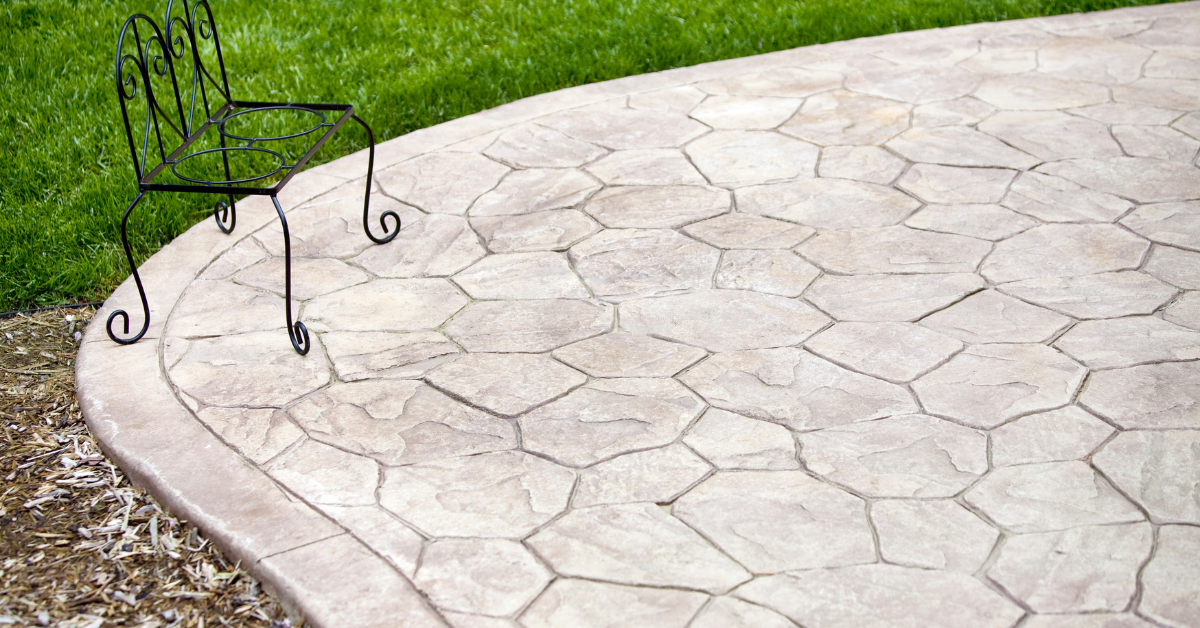
3. Consider Stamped Concrete for a Decorative Finish
Want the appearance of stone or another premium material without covering your entire backyard with individual pieces? Stamped concrete can be worth considering. It can recreate the visual character of materials such as slate, stone, or brick while allowing you to create one continuous patio surface. For homeowners searching for concrete patio design ideas, stamping offers plenty of room for customization. For a small backyard, however, choose the pattern carefully. Large, clean patterns generally work better than extremely detailed designs that can make the surface look busy. A subtle stamped border combined with a simpler centre can also create a polished appearance without overwhelming the patio.
4. Create a Patio With Built-In Zones
A small patio doesn’t necessarily have to serve only one purpose. With thoughtful planning, the same area can accommodate dining, lounging, and even a small cooking or grilling zone.
For example:
- Morning: A compact café table creates a spot for coffee.
Afternoon: The table becomes a casual dining area.
Evening: Comfortable chairs create a space for conversation around the grill.
Instead of building separate patio sections, use furniture placement and surface patterns to visually define different zones. This approach gives you more functionality without requiring more square footage.
5. Make Concrete Patio Blocks Part of the Design
If you’re interested in a modular appearance, concrete patio blocks can add structure and visual variety to a backyard. They can be used to create pathways, borders, stepping areas, or transitions between the patio and garden. Combining a poured concrete patio with carefully placed blocks can give the space a more layered appearance.
However, avoid creating too many small sections. In a compact backyard, fewer larger visual elements often create a cleaner and more spacious effect.
You can also surround the patio with simple planting beds to soften the hardscape and create a natural transition between the concrete and the rest of the yard.
6. Add Greenery Without Losing Valuable Floor Space
Plants can make a concrete patio feel warmer and more inviting, but large planters can quickly consume precious floor space. Instead, think vertically.
Use:
- Wall-mounted planters
- Narrow planter boxes
- Hanging baskets
- Vertical greenery
- Tall, slim containers
Make use of vertical space: Vertical gardening can help bring greenery into a small backyard without taking up valuable patio floor space. Trellises, hanging baskets, tiered shelves, and wall planters can add depth and visual interest while keeping the ground area open
7. Choose Furniture That Works Harder
Oversized outdoor furniture can make a small patio feel crowded almost immediately. Instead, choose pieces that are appropriately scaled to the space. A compact dining set, foldable chairs, benches, or furniture that serves more than one purpose can help maintain comfortable movement.
For example, a bench can provide seating while also fitting neatly against a wall. A small side table can double as a plant stand when you’re not entertaining. The goal isn’t to fill the patio. It’s to leave enough breathing room for people to move comfortably.
8. Try Budget-Friendly Concrete Patio Ideas
A beautiful patio doesn’t necessarily require an elaborate design. Some of the most effective concrete patio ideas on a budget focus on improving the existing surface rather than adding expensive materials everywhere.
Consider:
- Keeping the layout simple
- Using one decorative border instead of multiple patterns
- Adding inexpensive outdoor lighting
- Introducing greenery through containers
- Choosing versatile furniture
- Using decorative gravel or planting beds around the edges
- Focusing your budget on one standout feature
If your existing patio is structurally sound, ask a professional whether resurfacing or another improvement could be appropriate before deciding on a complete replacement.
9. Use Lighting to Extend the Space Into the Evening
Don’t overlook lighting when planning your patio. Well-positioned lighting can make a small outdoor area feel more inviting after sunset while highlighting important design features.
Consider subtle lighting around:
- Patio edges
- Steps
- Planting areas
- Walkways
- Seating zones
Warm, strategically placed lighting can create depth without requiring large fixtures. You can also use wall-mounted or overhead lighting to reduce the need for floor-standing lamps that take up valuable space.
10. Connect the Patio With the Rest of the Backyard
A patio shouldn’t look like a separate concrete island dropped into the middle of the yard. Create a visual connection between the patio, garden, pathways, and house. Similar colours, repeating textures, planting beds, or a consistent border can help everything feel intentional. For additional inspiration and professional patio planning, explore Cascana Construction, which provides construction and outdoor improvement services in Vancouver. For homeowners specifically planning a new patio, our concrete patio services in Vancouver can also be a useful starting point.
A Simple Rule for Small Patio Design
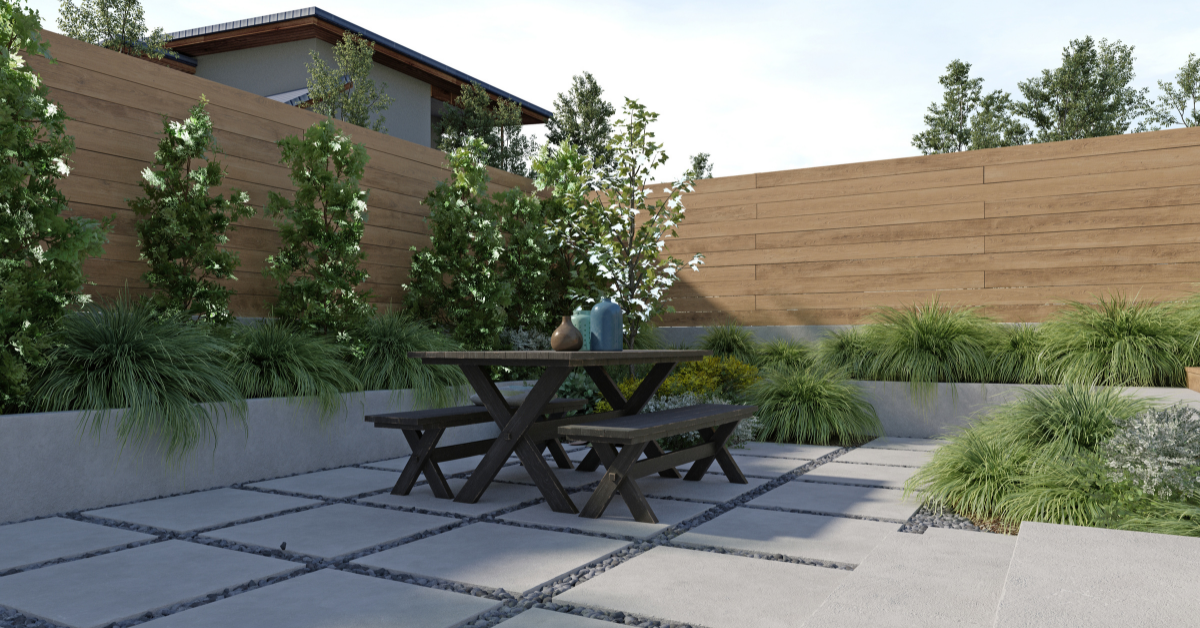
Small patio? Don’t fill every inch. Leaving some intentional breathing room around furniture, plants, and pathways can actually make a compact patio feel larger and more comfortable. Think of empty space as part of the design, not wasted space. Before finalizing your plan, ask:
Can people walk comfortably? Can furniture be moved easily? Does the patio still feel connected to the garden? If the answer is yes, your design is probably working.
Ready to Transform Your Small Backyard?
A small backyard can still make a big impression. With the right concrete patio ideas, thoughtful proportions, and a design that reflects how you actually use your outdoor space, even a compact area can become a comfortable place to relax and entertain. If you’re planning a new patio in Vancouver and want professional guidance, contact us to discuss your project and explore the possibilities for your backyard. Small space.
Frequently Asked Questions
1. How can I make a small concrete patio look bigger?
Use a simple layout, consistent colours, larger visual patterns, and appropriately sized furniture. Keeping pathways clear and extending similar materials or colours into surrounding landscaping can also create a stronger sense of continuity.
2. What are the best concrete patio designs for a small backyard?
Simple geometric patterns, subtle borders, stamped finishes, and clean rectangular or gently curved layouts can work well. The best design depends on the home’s architecture, available space, furniture requirements, and how you plan to use the patio.
3. Is stamped concrete a good option for a small patio?
Yes, stamped concrete can be a good option when you want decorative detail without adding multiple separate materials. For a smaller area, choose a relatively simple pattern and avoid excessive colours or textures that could make the space feel visually busy.
4. What is the best shape for a concrete patio in a small backyard?
A rectangular patio is often practical because it uses space efficiently and works well with furniture. However, L-shaped or curved designs can be useful when you need to work around existing landscaping, property features, or awkward corners.
5. How can I make a plain concrete patio look more attractive?
Add visual interest through furniture, outdoor lighting, greenery, decorative borders, planters, rugs designed for outdoor use, or a complementary landscaping scheme. You don’t necessarily need to replace the entire surface to create a more finished appearance.