

Concrete is known for its strength and durability, but even well-installed concrete can develop problems over time. Small cracks, surface deterioration, spalling, uneven areas, and exposed aggregate may initially look like minor issues. However, moisture, weather exposure, repeated traffic, poor drainage, and normal wear can gradually make the damage worse.
The challenge is knowing when a problem needs simple maintenance and when it calls for professional attention. Concrete repair contractors can assess the condition of the surface, identify what is causing the damage, and recommend a suitable repair before the problem becomes more expensive to address.
Don’t Just Look at the Crack — Look Around It
A damaged patch of concrete does not always tell the whole story. Before focusing only on the crack, take a look at what is happening around it. Is water draining toward the area? Are nearby surfaces also sinking? Are there tree roots close by? Has the soil changed? Is the same type of damage appearing in other sections? These surrounding clues can help point toward what may be contributing to the deterioration. Repairing the visible damage without understanding the conditions around it may not provide a lasting solution. The crack is visible. The cause may not be.
Signs Your Concrete May Need Professional Attention
Not every crack means that an entire surface needs to be replaced. However, certain warning signs should not be ignored.
1. Cracks Are Getting Wider or Deeper
Small surface cracks can sometimes be monitored, but cracks that continue to grow may indicate an underlying issue. Pay attention if you notice:
- Cracks becoming wider over time
- Long cracks extending across the surface
- Cracks appearing in several locations
- Cracks accompanied by uneven or sinking concrete
- Water collecting around damaged areas
A professional can examine the crack and determine whether it is primarily a surface issue or connected to a larger problem.
2. Concrete Is Chipping or Breaking Away
Spalling occurs when pieces of the concrete surface begin to break away. You may notice rough patches, exposed aggregate, or areas where the surface is flaking.
Leaving these areas untreated can allow moisture to penetrate deeper into the concrete. Depending on the extent of the deterioration, concrete repairs may involve removing the damaged material and restoring the affected section.
3. You Notice Pitting or Small Holes
Concrete surfaces can develop small holes or depressions, particularly after prolonged exposure to moisture, freeze-thaw conditions, chemicals, or heavy use.
This type of deterioration may require concrete pitting repair, depending on how deep and widespread the damage is. Treating the surface early can help prevent the affected area from becoming more difficult to restore.
4. The Surface Has Become Uneven
Uneven concrete is not just an appearance issue. Raised edges, sunken sections, or deteriorating surfaces can create trip hazards and interfere with the normal use of a driveway, walkway, patio, or commercial area. If the concrete has shifted because of soil movement, drainage problems, or other underlying conditions, simply filling the visible damage may not provide a lasting solution.
According to the Federal Highway Administration, studies show that 80% to 100% of properly installed partial-depth concrete repairs perform well after 3 to 10 years of service.
How Do You Know If a Concrete Crack Is Serious?
The appearance of a crack can provide some clues, but its location, size, movement, and surrounding damage are also important.
A crack deserves professional assessment when it:
- Continues to grow
- Is unusually wide or deep
- Appears alongside settlement or movement
- Allows noticeable water penetration
- Occurs around structural or heavily loaded areas
- Is accompanied by crumbling, spalling, or exposed reinforcement
The cause matters just as much as the crack itself. Repairing the visible line without addressing the reason it developed may only provide a temporary result.
When Should You Repair Concrete Instead of Replacing It?
One of the biggest questions property owners have is whether damaged concrete needs to be completely removed. In many cases, localized damage can be repaired without replacing the entire surface. The right approach depends on the extent, depth, cause, and overall condition of the concrete.
Repair may be appropriate when:
- Damage is limited to specific areas
- The surrounding concrete remains structurally sound
- Cracks are localized
- Surface deterioration has not spread extensively
- The underlying base is still stable
On the other hand, widespread deterioration, major settlement, severe structural damage, or extensive cracking may make replacement a more practical option. A professional assessment helps determine whether repairing the existing concrete is a sensible long-term solution.
What Types of Concrete Damage Require Professional Repair?
- Several types of damage can benefit from professional evaluation and repair. These include:
- Surface spalling: Pieces of concrete break away from the surface.
- Pitting: Small holes or depressions develop across the concrete.
- Deep cracking: Cracks extend beyond the surface and may indicate underlying movement or deterioration.
- Scaling: The upper surface begins to flake or deteriorate.
- Settlement: Sections of concrete sink or become uneven.
Exposed reinforcement: Reinforcing steel becomes visible because surrounding concrete has deteriorated. According to TarmacView, concrete patching can restore localized areas of damaged concrete, with partial-depth and full-depth methods selected based on the extent of deterioration.
The important point is that not every damaged area should receive the same repair method. Material selection, preparation, repair depth, curing, and finishing can all affect the final result.
Why Professional Concrete Repair Matters
It may be tempting to patch a visible crack or damaged spot yourself, especially when the problem appears small. However, the surface is only part of the equation. Professional concrete repair contractors look beyond the visible damage. They can assess whether moisture, drainage, movement, deterioration, or another factor is contributing to the problem.
A professional approach typically focuses on:
- Identifying the cause of deterioration
- Determining the extent of the damage
- Removing unsound concrete where necessary
- Selecting suitable repair materials
- Preparing the damaged area properly
- Applying and finishing the repair correctly
- Allowing appropriate curing time
How to Find the Right Concrete Repair Company
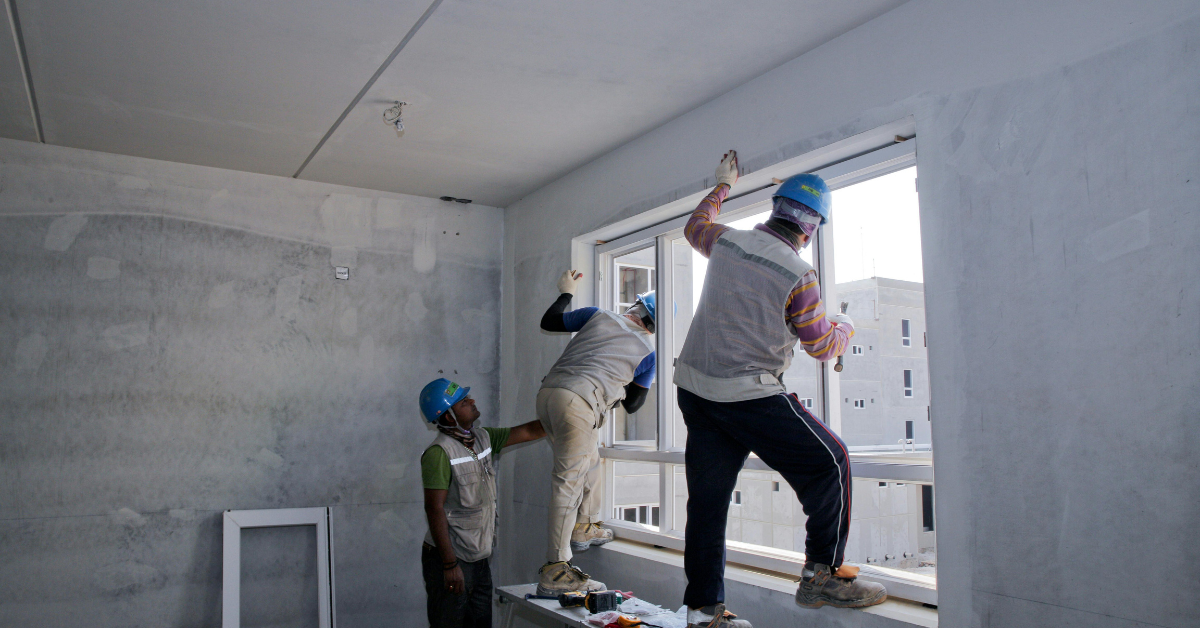
When looking for concrete repair companies near me, do not choose based only on the lowest quote. Look for a contractor with relevant experience, proper knowledge of concrete repair techniques, and a clear approach to assessing the existing damage.
Ask potential contractors:
- What is causing the damage?
- Can the existing concrete be repaired?
- What repair method do you recommend?
- How will the damaged area be prepared?
- What materials will be used?
- How long should the repair last?
- What maintenance will be required afterward?
A reliable contractor should be willing to explain the recommended solution rather than simply provide a price.
Why Choose Cascana Construction for Concrete Repairs?
For property owners looking for experienced concrete repair contractors in Vancouver and the Lower Mainland, Cascana Construction provides concrete services for residential, commercial, civil, and industrial projects. The company focuses on quality craftsmanship, experienced tradespeople, and durable results across the Lower Mainland. Its team also works with the requirements of B.C. building codes and Canadian construction standards. If your property has cracking, spalling, surface deterioration, or other signs of damage, you can explore Cascana Construction’s concrete repairs in Vancouver services to understand the available options.
How Much Does Professional Concrete Repair Cost?
There is no single price for concrete repair because every project is different. The final cost can depend on factors such as:
- Size of the damaged area
- Depth of deterioration
- Type of damage
- Repair materials required
- Accessibility of the site
- Preparation and removal work
- Labour and finishing requirements
A small localized repair will generally involve a different scope of work than extensive deterioration across a large surface. Instead of focusing only on the initial price, consider the quality and longevity of the proposed repair. A poorly executed repair may require additional work sooner, increasing the overall cost.
Don’t Wait Until Small Damage Becomes a Bigger Problem
Concrete damage rarely becomes easier to manage simply by being ignored. A small crack may remain stable, but it can also widen, allow moisture to enter, or occur alongside other forms of deterioration. The earlier you identify the problem, the more options you may have. Concrete repair contractors can help determine whether the damage needs a localized repair, more extensive restoration, or complete replacement.
If you are unsure about the condition of your concrete, contact us for a professional assessment and discuss the most suitable solution for your property.
FAQs
1. What are the signs that you need concrete repair?
Common signs include widening cracks, surface flaking, spalling, pitting, exposed aggregate or reinforcement, uneven sections, and areas that are becoming weaker or more damaged over time. Professional assessment can help determine the cause and appropriate repair method.
2. How do you know if a concrete crack is serious?
A crack may need professional attention if it continues to widen, appears alongside settlement or movement, allows water penetration, or is accompanied by crumbling or other deterioration. The size and location of the crack also help determine its significance.
3. When should you repair concrete instead of replacing it?
Repair may be suitable when the damage is localized and the surrounding concrete remains structurally sound. Replacement may be more practical when deterioration is widespread, the concrete has significant structural problems, or the underlying base is unstable.
4. What types of concrete damage require professional repair?
Deep cracks, widespread spalling, significant pitting, scaling, settlement, exposed reinforcement, and extensive surface deterioration may require professional repair. The appropriate solution depends on the depth, extent, cause, and overall condition of the concrete.
5. How much does professional concrete repair cost?
The cost depends on the size and depth of the damage, repair method, materials, site accessibility, preparation, labour, and finishing requirements. The best way to determine the cost is to have the concrete assessed and receive a project-specific estimate.