

Concrete may be designed to last for decades, but there comes a time when cracked driveways, outdated slabs, damaged foundations, or unwanted structures need to make way for something new. That is where concrete demolition comes in. Far from simply breaking concrete into pieces, demolition is a carefully planned process that requires the right method, equipment, safety measures, and debris-management strategy.
Whether you are renovating a home, preparing a commercial property for redevelopment, or clearing a site for new construction, professional demolition helps create a clean and workable foundation for the next stage of your project. Proper planning is especially important because demolition can involve structural instability, hidden utilities, hazardous materials, dust, falling debris, and heavy equipment. OSHA emphasizes that an engineering survey and thorough preparation should take place before demolition begins.
What Is Concrete Demolition?
Concrete demolition is the controlled process of breaking down and removing concrete structures or surfaces. Depending on the project, this can involve removing a small patio, driveway, walkway, foundation, retaining wall, concrete floor, parking area, or sections of a larger structure.
The goal is not simply to destroy the concrete. A professional crew needs to remove it in a controlled manner while protecting nearby buildings, underground utilities, landscaping, workers, and surrounding property. Cascana Construction provides demolition and excavation solutions as part of its broader concrete services throughout Vancouver and the Lower Mainland. Discover a quieter, cleaner approach to concrete demolition with methods designed to minimize noise, dust, and vibration.
Step 1: Inspect and Assess the Site
The first stage is understanding exactly what needs to be removed.
A demolition contractor will assess factors such as:
- The thickness and condition of the concrete
- Whether the concrete is reinforced with rebar
- Nearby structures and property lines
- Accessibility for machinery
- Underground utilities
- Drainage and grading
- Potential hazardous materials
- The amount of concrete that needs to be removed
For larger or structural projects, an engineering assessment may also be necessary. OSHA specifically recommends an engineering survey before demolition to evaluate the condition of walls, floors, framing, and the possibility of an unexpected collapse.
This assessment helps determine the safest and most efficient demolition approach.
Step 2: Prepare the Work Area
Once the site has been assessed, the area is prepared for demolition. Preparation may include establishing restricted zones, protecting nearby structures, removing obstacles, arranging access for equipment, and planning where demolished concrete will be placed. Utilities also need careful attention. Electrical, gas, water, sewer, and other service lines should be identified and appropriately shut off, capped, relocated, or protected before demolition begins. This step may appear routine, but it can prevent serious damage, delays, and safety hazards during the project.
Step 3: Select the Right Demolition Method
Not every concrete surface should be demolished in the same way. The appropriate technique depends on the size, thickness, location, reinforcement, surrounding structures, and project requirements.
Common approaches include:
Manual Demolition
For smaller or difficult-to-access areas, workers may use handheld tools such as jackhammers and concrete breakers. This method provides greater control when working close to existing structures.
Mechanical Demolition
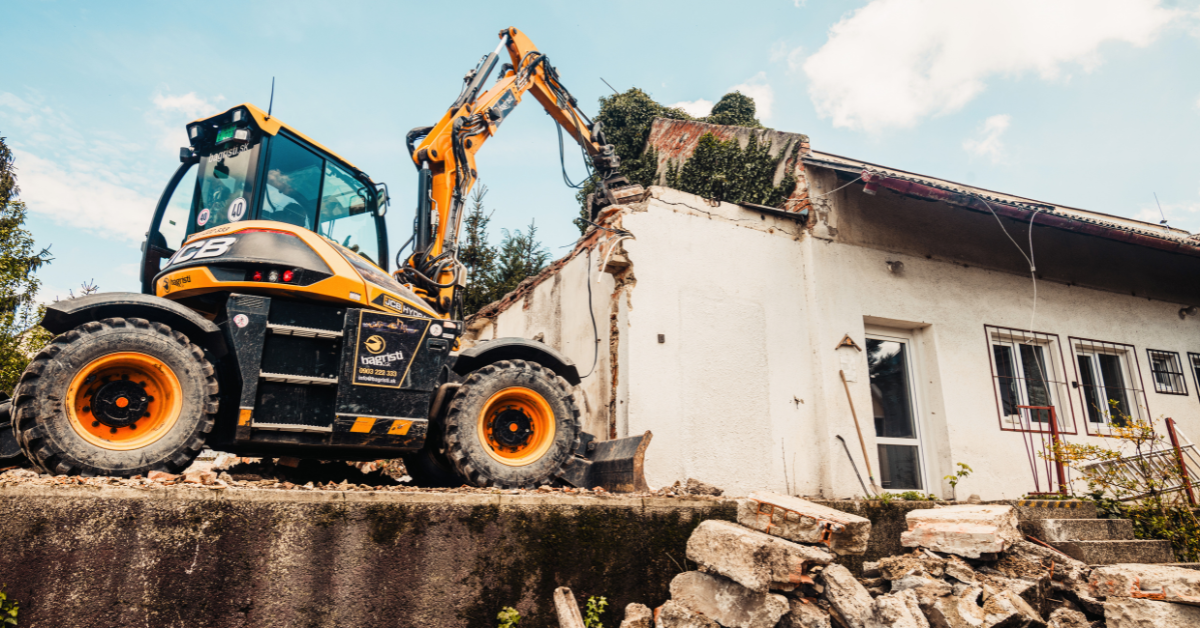
For larger projects, excavators and other heavy machinery can break and remove concrete much faster. Specialized attachments can be selected based on the material and site conditions.
Concrete Cutting
Sometimes only a specific section needs to be removed. Concrete cutting and coring can create precise cuts before the unwanted section is demolished. This is particularly useful when preserving surrounding concrete is important.
Hydraulic Breaking
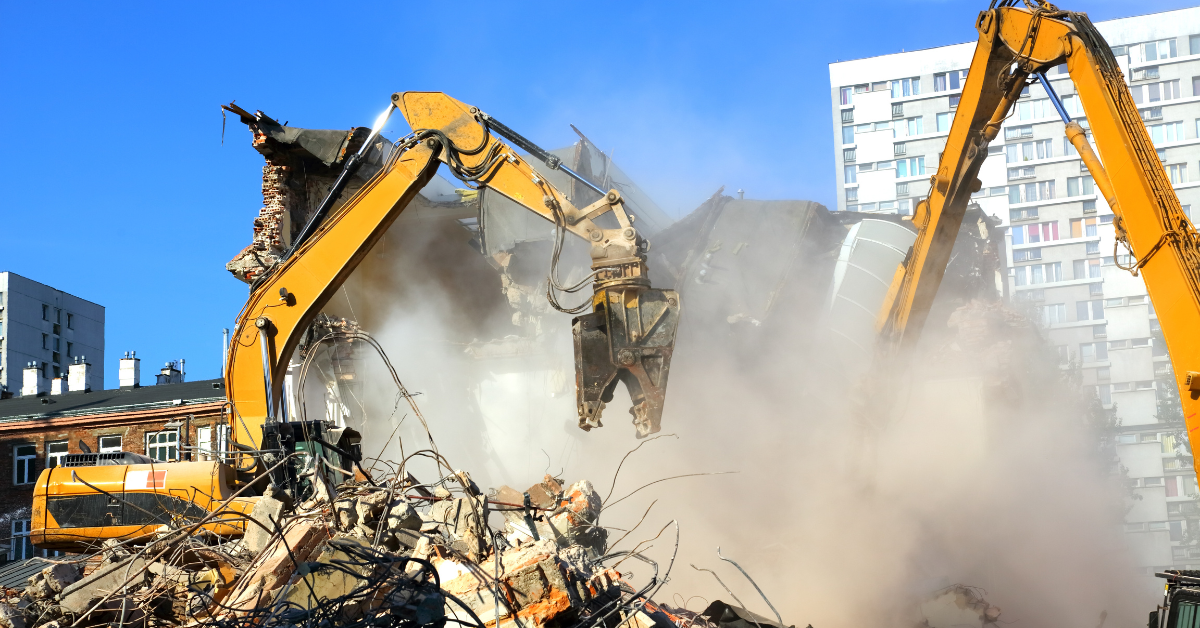
Hydraulic breakers attached to excavators can deliver powerful, controlled impacts to break thick concrete and reinforced structures. The equipment and method should always match the site rather than simply choosing the most powerful machinery available.
Step 4: Break the Concrete
After preparation and method selection, the actual concrete demolition begins. The contractor works through the concrete systematically, breaking it into manageable sections. Depending on the structure, workers may use breakers, saws, excavators, grapples, or other specialized attachments. For reinforced concrete, the process may also involve cutting through steel reinforcement after the surrounding concrete has been broken.
Controlled demolition is particularly important near occupied buildings, property boundaries, underground services, and structures that are being retained.
Step 5: Control Dust, Noise, and Debris
Breaking concrete produces dust, noise, vibration, and flying fragments. These factors need to be managed throughout the project. Water-based dust suppression may be used where appropriate, while workers may require suitable respiratory, eye, hearing, head, hand, and foot protection depending on the task. OSHA identifies dust, falling materials, sharp objects, structural instability, and other hazards that require proper planning and protective measures. Keeping the site organized also makes it easier to separate demolition debris and maintain safe access for workers and equipment.
Step 6: Remove and Load the Concrete
Once the concrete has been broken into manageable pieces, it needs to be removed from the site. Heavy equipment can collect and load larger pieces, while smaller debris may be gathered manually or with compact machinery. The approach depends on site access and the volume of material. This is where demolition often connects with excavation services. If the project requires removing soil, gravel, buried concrete, or other materials beneath the demolished surface, excavation can continue after the concrete has been cleared.
A coordinated demolition and excavation process can save time by keeping the site moving toward the next construction stage.
Step 7: Sort and Manage Demolition Waste
Concrete demolition can produce a substantial amount of material, so waste management should be considered before work begins. Depending on the project and local requirements, concrete may be separated from other materials and transported for appropriate processing or recycling. Reinforcing steel and other recoverable materials can also be separated where practical. Proper debris management keeps the worksite cleaner and reduces unnecessary transportation or disposal.
Step 8: Prepare the Site for the Next Project
Demolition does not necessarily mean the job is finished once the concrete is removed. The cleared area may need to be graded, excavated, compacted, or prepared for a new structure. For example, removing an old concrete driveway could be followed by excavation and preparation for a new driveway. Removing an outdated slab could prepare the area for a new foundation or construction project. This is why choosing a contractor capable of handling both demolition and related site preparation can make the overall process more efficient.
Residential vs. Commercial Concrete Demolition
The basic principles of residential demolition and commercial demolition are similar, but their scale and complexity can differ significantly.
Residential projects may involve:
- Driveways
- Patios
- Walkways
- Garage floors
- Concrete steps
- Small foundations
- Backyard structures
Commercial projects can involve larger slabs, parking areas, foundations, industrial structures, and other substantial concrete elements. Commercial sites may also have stricter access, scheduling, safety, and coordination requirements because other businesses, workers, pedestrians, or vehicles may be operating nearby. Regardless of project size, the right demolition services should be planned around the specific site conditions rather than relying on a one-size-fits-all approach.
Why Professional Demolition Matters
Attempting to break and remove concrete without appropriate equipment or planning can create unnecessary risks. Heavy concrete pieces can be difficult to control, underground utilities may be damaged, and structural elements can behave unpredictably.
Professional contractors bring together trained workers, suitable machinery, site preparation, safety procedures, and debris removal to keep the project organized. For Vancouver property owners, working with an experienced local contractor can also simplify coordination between demolition, excavation, concrete work, and subsequent construction. You can also contact us to discuss your requirements.
Choose Cascana Construction for Your Project
A successful project starts with removing what no longer belongs there, and doing it correctly. Cascana Construction combines demolition and excavation capabilities with broader concrete expertise to help Vancouver-area property owners prepare sites for what comes next. Whether your project involves a residential driveway, commercial concrete structure, or larger construction site, professional planning can make demolition safer, cleaner, and more efficient.
Explore Cascana Construction to learn more about its concrete and construction capabilities, or visit its demolition & excavation services page to explore project-specific solutions.
Frequently Asked Questions
1. What Are the Steps Involved in Concrete Demolition?
The process typically includes site inspection, utility identification, work-area preparation, demolition-method selection, concrete breaking, debris removal, waste management, and site preparation. Larger structural projects may also require an engineering survey and additional safety planning before work begins.
2. What Methods Are Used for Concrete Demolition?
Common methods include manual breaking, hydraulic breakers, mechanical demolition, concrete sawing, and controlled cutting. The right approach depends on concrete thickness, reinforcement, location, accessibility, surrounding structures, and how much material needs to be removed.
3. What Equipment Is Used for Concrete Demolition?
Equipment can include jackhammers, concrete saws, excavators, hydraulic breakers, grapples, skid steers, and hauling equipment. Specialized equipment may be selected for restricted-access areas or projects requiring more precise removal.
4. How Long Does the Concrete Demolition Process Take?
The timeline varies according to the size and thickness of the concrete, reinforcement, accessibility, demolition method, debris volume, and site conditions. A small residential slab may take considerably less time than a large commercial structure requiring extensive preparation and removal.
5. What Happens to Concrete After Demolition?
After demolition, concrete is generally broken into manageable pieces, collected, loaded, transported, and handled according to the project’s waste-management requirements. Where practical, materials may be separated for recycling or recovery before the site is prepared for its next use.