


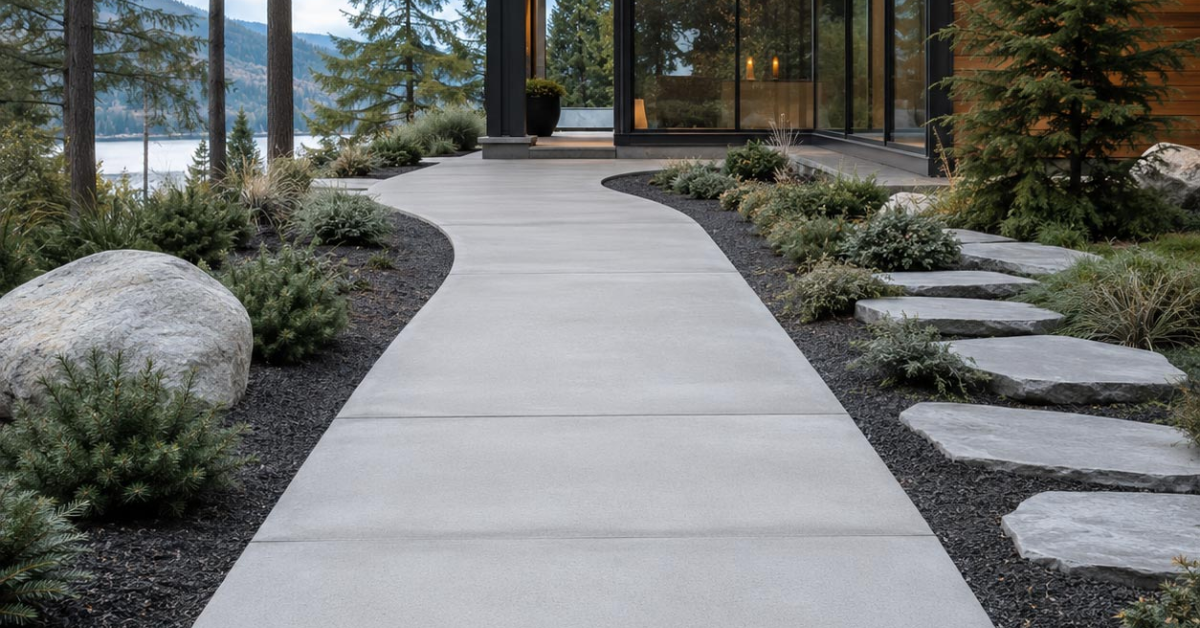
A well-built sidewalk does more than provide a safe walking surface, it enhances curb appeal, improves accessibility, and adds long-term value to a property. However, not all sidewalks are built to last. Factors such as poor installation, inadequate drainage, low-quality materials, and harsh weather conditions can significantly reduce a sidewalk’s lifespan.
This is why experienced concrete sidewalk contractors follow proven construction methods and industry best practices to create durable sidewalks that withstand years of foot traffic and environmental exposure. From proper site preparation to selecting the right concrete mix and implementing preventive maintenance measures, every step plays a critical role in ensuring longevity. Let’s explore how professional concrete sidewalk contractors ensure long-lasting sidewalks and why investing in quality installation pays off for years to come.
The Importance of Proper Site Preparation
Before any concrete is poured, experienced concrete sidewalk contractors focus on preparing the site correctly. A strong foundation is essential for preventing future issues such as cracking, sinking, or uneven surfaces.
Proper site preparation includes:
- Removing debris and vegetation
- Excavating unstable soil
- Compacting the subgrade
- Ensuring proper grading
- Installing a stable base layer
Without these steps, even the highest-quality concrete sidewalk can develop structural problems prematurely.
Choosing the Right Concrete Mix
The durability of a concrete sidewalk depends heavily on the quality of the concrete used. Professional contractors select concrete mixes designed specifically for sidewalk applications. These mixes offer:
- Adequate compressive strength
- Resistance to freeze-thaw cycles
- Improved durability
- Reduced shrinkage cracking
The water-to-cement ratio is carefully controlled to prevent weak spots and ensure consistent performance. Using the correct mix helps the sidewalk resist wear and environmental damage over time.
Ensuring Proper Thickness and Reinforcement
One common reason sidewalks fail is insufficient thickness.
Professional concrete sidewalk contractors determine the appropriate slab thickness based on expected usage and local conditions.
Typical residential sidewalks are generally:
- 4 inches thick for standard foot traffic
- Thicker in areas with heavier loads
Additional reinforcement may include:
- Wire mesh
- Rebar
- Fiber reinforcement
These materials help distribute stress and minimize cracking.
Installing Effective Drainage Systems
Water is one of the biggest threats to concrete longevity.
Excess moisture can lead to:
- Soil erosion beneath the sidewalk
- Freeze-thaw damage
- Surface deterioration
- Settlement issues
Professional concrete sidewalk contractors design sidewalks with proper slopes and drainage systems to direct water away from the surface. Good drainage significantly reduces the likelihood of structural damage and costly repairs.
Proper Joint Placement Prevents Cracks
Concrete naturally expands and contracts due to temperature changes. To manage this movement, contractors install control joints at strategic intervals.
Control joints:
- Guide natural cracking
- Reduce random fractures
- Improve appearance
- Extend service life
Proper joint placement is one of the most effective ways to minimize the need for extensive concrete sidewalk repair in the future.
Quality Finishing Techniques Matter
The finishing process affects both durability and appearance. Experienced concrete sidewalk contractors use specialized finishing techniques to achieve a smooth yet slip-resistant surface.
Proper finishing includes:
- Leveling the surface
- Applying texture for traction
- Preventing excessive water evaporation
- Ensuring consistent surface density
Poor finishing practices can lead to scaling, flaking, and surface deterioration.
The Role of Proper Curing
Curing is often overlooked but is one of the most important steps in sidewalk construction. Fresh concrete requires time to develop strength.
Professional contractors use curing methods such as:
- Water curing
- Curing compounds
- Protective coverings
Proper curing helps:
- Increase strength
- Reduce cracking
- Improve durability
- Enhance resistance to weather damage
A well-cured concrete sidewalk can last decades longer than one that is rushed into service.
Using Durable Concrete Sidewalk Blocks
In some projects, concrete sidewalk blocks are used instead of poured concrete. These blocks offer several benefits:
- Easy replacement of damaged sections
- Attractive design options
- Improved drainage in certain applications
- Reduced cracking risk
Professional contractors ensure proper installation and base preparation when using concrete sidewalk blocks to maximize durability.
Regular Maintenance Extends Lifespan
Even the best sidewalk requires routine maintenance. Professional recommendations often include:
Sealing the Surface
Sealing protects concrete from:
- Water penetration
- Salt damage
- Staining
- UV exposure
Understanding Concrete Sidewalk Cost and Long-Term Value
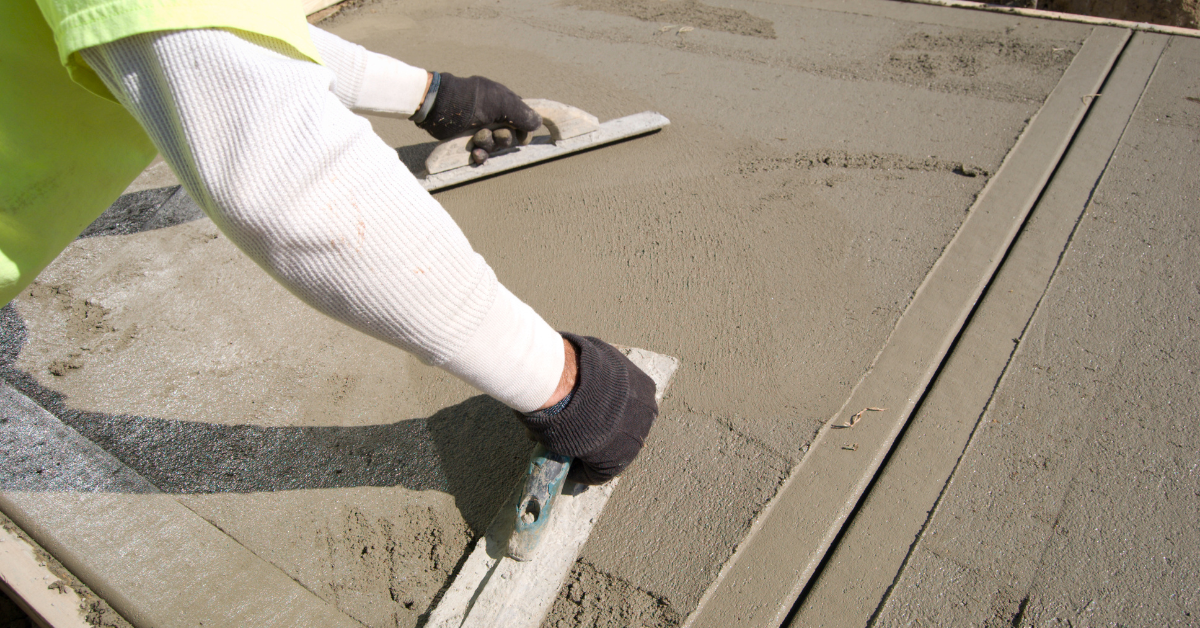
Many property owners focus solely on initial concrete sidewalk cost, but long-term value is equally important. While professional installation may require a larger upfront investment, it often reduces future expenses associated with repairs and replacements.
Factors affecting concrete sidewalk cost include:
- Project size
- Concrete thickness
- Site conditions
- Reinforcement requirements
- Decorative finishes
- Local labor rates
Choosing experienced sidewalk contractors often results in lower lifetime costs due to superior workmanship and durability. Homeowners should also consider additional costs that may impact the overall project budget, including demolition of existing concrete, excavation, reinforcement materials, drainage improvements, and permit requirements. While basic sidewalks are generally more affordable, decorative concrete finishes and custom designs can increase installation costs.
Weather Considerations for Long-Lasting Sidewalks
Climate has a significant impact on sidewalk performance. Professional contractors adjust installation methods based on local weather conditions.
They may:
- Modify concrete mixes
- Use air-entrained concrete
- Adjust curing procedures
- Schedule pours during favorable temperatures
Why Professional Contractors Make a Difference
Hiring skilled sidewalk contractors offers several advantages:
- Proper planning and design
- High-quality materials
- Compliance with local codes
- Advanced installation techniques
- Reduced risk of premature failure
Professionals understand the factors that influence sidewalk longevity and apply proven methods to deliver durable results. Looking for reliable concrete sidewalk installation in Vancouver? Cascana Construction delivers durable, professionally built sidewalks designed to withstand heavy foot traffic and British Columbia’s changing weather conditions. With over 20 years of industry experience, their team focuses on proper site preparation, premium materials, and quality craftsmanship to ensure long-lasting results.
Conclusion
Long-lasting sidewalks don’t happen by chance. They are the result of careful planning, quality materials, proper installation techniques, and ongoing maintenance. Professional concrete sidewalk contractors ensure durability by preparing stable foundations, using the right concrete mixes, implementing effective drainage, installing control joints, and following proper curing procedures. Whether you’re installing a new sidewalk or planning future concrete sidewalk repair, investing in experienced professionals can significantly extend the life of your pavement while reducing long-term maintenance costs. A well-constructed concrete sidewalk not only improves safety and appearance but also delivers lasting value for years to come.
FAQs
1. How long should a professionally installed concrete sidewalk last?
A professionally installed concrete sidewalk can typically last 25 to 50 years or more when constructed correctly and maintained regularly.
2. How do concrete sidewalk contractors prevent cracks?
They use proper site preparation, reinforcement materials, control joints, quality concrete mixes, and appropriate curing methods to minimize cracking.
3. What type of concrete is best for sidewalks?
Air-entrained concrete with adequate strength and durability is commonly recommended because it resists weather-related damage and freeze-thaw cycles.
4. How often should a concrete sidewalk be sealed?
Most experts recommend sealing a concrete sidewalk every 2 to 5 years, depending on climate conditions and surface wear.
5. What maintenance helps extend the life of a concrete sidewalk?
Regular cleaning, sealing, prompt crack repairs, proper drainage management, and avoiding excessive loads can help maximize sidewalk lifespan.