

Modern buildings are designed to last longer, handle heavy loads, and withstand environmental pressures such as earthquakes, storms, and constant wear. One of the most trusted structural methods used worldwide today is concrete construction. From high-rise apartments and shopping malls to hospitals and office buildings, this construction technique plays a major role in shaping strong and durable infrastructure.
But have you ever wondered why engineers and architects prefer concrete frames for large structures?
How does a building remain stable even with multiple floors and heavy loads?
And what makes reinforced concrete such a reliable material in modern construction?
These are important questions because the structural frame of a building determines its strength, safety, and long-term performance. Whether it is a residential tower or a commercial complex, the frame acts as the skeleton that supports the entire structure.
In simple terms, concrete construction refers to a method where a network of columns, beams, slabs, and foundations made from reinforced concrete carries the weight of the building. This framework distributes loads evenly and provides stability against external forces such as wind and seismic activity. Today, construction companies are also adopting advanced techniques like precast concrete construction to improve speed and efficiency. At the same time, many property owners compare methods like concrete block construction vs wood frame to determine which option offers better durability, fire resistance, and maintenance benefits. Another important aspect of modern infrastructure is maintenance. Even the strongest concrete structures require inspections and concrete repair services over time to prevent cracks, corrosion, or structural weakening. Proper repair and maintenance help extend the lifespan of buildings and maintain safety standards. One of the biggest reasons behind the popularity of reinforced concrete frame construction is its combination of strength and flexibility. Steel reinforcement bars embedded within the concrete improve tensile strength, making the structure capable of handling both compression and tension forces efficiently.
A Real-Life Example of Concrete Frame Construction
Imagine a 15-story commercial office building located in a busy urban area. The construction team first prepares deep foundations to support the building’s massive weight. After the foundation is complete, vertical reinforced concrete columns are erected floor by floor. Horizontal beams are then connected between the columns to form a rigid structural grid.
Concrete slabs are poured on top of the beams to create each floor level. As the building rises, the frame distributes loads from furniture, machinery, people, and environmental forces down into the foundation safely.
Because the project is located in an earthquake-prone region, engineers use reinforced concrete construction with additional steel reinforcement to improve seismic resistance. Some sections of the building, such as staircases and facade panels, are manufactured off-site using precast concrete construction techniques, reducing construction time significantly.
Over the years, regular inspections and professional concrete repair services help maintain the building’s structural integrity by repairing surface cracks and protecting steel reinforcement from corrosion.
This example clearly shows how concrete frame systems combine durability, safety, and efficiency in modern construction projects.
What Is Concrete Frame Construction?

Concrete construction is a structural system where reinforced concrete elements form the main support framework of a building. The structure typically consists of:
- Columns
- Beams
- Floor slabs
- Foundations
These components work together to transfer loads safely from the upper parts of the building to the ground.
Concrete is highly valued in construction because of its excellent compressive strength. However, plain concrete alone is weak in tension. To overcome this limitation, steel reinforcement bars are added inside the concrete, creating reinforced concrete construction systems capable of handling multiple types of structural stress.
This method is commonly used in:
- Residential apartments
- Commercial buildings
- Parking structures
- Educational institutions
- Hospitals
- Industrial facilities
The flexibility of concrete construction allows architects to create open floor layouts, taller structures, and complex building designs without compromising strength.
How Does Concrete Frame Construction Work?
The process of concrete construction involves several stages that ensure the structure remains stable and durable.
1. Foundation Preparation
The construction process begins with the foundation. Engineers analyze soil conditions and determine the type of foundation required. The foundation distributes the building load into the ground and prevents settlement issues.
2. Placement of Reinforcement
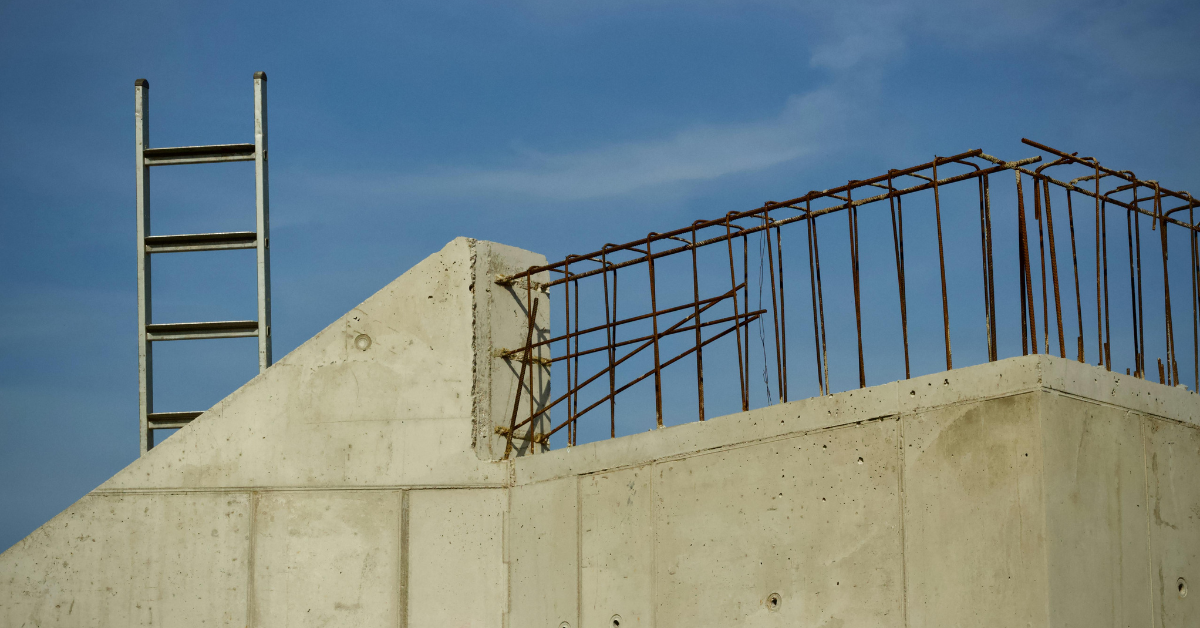
Steel reinforcement bars are arranged according to structural design plans. These bars improve tensile strength and help the concrete resist bending and cracking forces.
3. Formwork Installation
Temporary molds known as formwork are installed to shape columns, beams, and slabs. Concrete is poured into these molds and allowed to cure properly.
4. Concrete Pouring and Curing
Fresh concrete is poured into the formwork around the steel reinforcement. Proper curing ensures maximum strength development and prevents premature cracking.
5. Load Distribution
Once hardened, the concrete frame transfers structural loads from slabs to beams, then to columns, and finally into the foundation system.
In many modern projects, precast concrete construction is used to speed up installation. Structural components are manufactured in factories and transported to the site for assembly, reducing labor costs and project delays.
Main Components of a Concrete Frame Structure
Understanding the main elements of concrete construction helps explain how the system functions efficiently.
Columns
Columns are vertical structural members that transfer loads downward into the foundation.
Beams
Beams connect columns horizontally and support floor slabs while distributing loads evenly.
Slabs
Concrete slabs form floors and roofs. They transfer loads to the supporting beams.
Foundations
Foundations anchor the structure securely to the ground and distribute weight safely.
Reinforcement
Steel reinforcement strengthens the concrete and improves structural performance under tension and bending forces.
These components together create a strong and reliable reinforced concrete frame construction system suitable for both low-rise and high-rise buildings.
Advantages of Concrete Frame Construction
There are several reasons why concrete construction is widely preferred in the construction industry.
High Durability
Concrete structures can last for decades with proper maintenance and timely concrete repair services.
Fire Resistance
Concrete does not burn, making it highly resistant to fire damage compared to wooden structures.
Strength and Stability
The combination of concrete and steel reinforcement creates strong structural systems capable of supporting heavy loads.
Design Flexibility
Architects can design larger open spaces and complex layouts using concrete frames.
Better Sound Insulation
Concrete walls and slabs reduce sound transmission, improving comfort in residential and commercial buildings.
Resistance to Weather Conditions
Concrete performs well against moisture, wind, and temperature changes when properly constructed. Reinforced concrete is widely used in modern construction because it combines the compressive strength of concrete with the tensile strength of steel reinforcement, creating strong and durable structural systems for buildings, bridges, and infrastructure projects.
Concrete Block Construction vs Wood Frame
The comparison between concrete block construction vs wood frame is common in residential and commercial construction discussions.
Concrete Block Construction
- Stronger and more durable
- Better fire resistance
- Lower maintenance requirements
- More resistant to pests and moisture
- Longer lifespan
Wood Frame Construction
- Faster initial construction
- Lower upfront cost
- Easier modifications
- Lightweight structure
However, in terms of structural longevity and disaster resistance, concrete systems generally outperform wood framing. This is why many commercial and multi-story projects prefer concrete frame construction methods.
Role of Precast Concrete Frame Construction
Precast concrete construction has become increasingly popular due to its efficiency and quality control benefits.
In this method, structural elements are manufactured in controlled factory environments before being transported to the construction site.
Benefits include:
- Faster project completion
- Reduced on-site labor
- Better quality consistency
- Lower material waste
- Improved safety conditions
Many large infrastructure and commercial projects now combine traditional and precast systems for better productivity.
Importance of Concrete Repair Services
Even durable concrete structures can develop cracks or deterioration over time due to environmental exposure, moisture infiltration, or reinforcement corrosion.
Professional concrete repair services help maintain structural safety by:
- Repairing cracks
- Restoring damaged surfaces
- Preventing water penetration
- Protecting steel reinforcement
- Extending building lifespan
Regular inspections and timely maintenance are essential for preserving the performance of concrete construction systems. Construction project management is the foundation of every successful building project, helping teams plan budgets, manage timelines, coordinate workers, and maintain quality from start to finish. Effective management ensures projects stay organized, efficient, and cost-effective.
Conclusion
Concrete construction remains one of the most reliable and widely used structural systems in modern architecture and engineering. Its ability to provide durability, fire resistance, load-bearing strength, and design flexibility makes it ideal for residential, commercial, and industrial buildings. Cascana Construction delivers high-quality concrete solutions across Vancouver and the Lower Mainland, specializing in structural forming, decorative concrete, excavation, reinforcement, and construction management with over 20 years of industry experience. Contractors services focus on precision architectural and structural concrete forming, helping residential and commercial projects achieve long-lasting strength, stability, and premium craftsmanship through expert reinforcement and concrete placement techniques.
With advancements like precast concrete construction and improved concrete repair services, the industry continues to enhance construction efficiency and long-term structural performance. Whether comparing concrete block construction vs wood frame or evaluating the benefits of reinforced concrete construction, concrete remains a preferred choice for safe and sustainable building development. Request a free estimate for concrete construction, forming, excavation, decorative finishes, or structural concrete projects throughout Vancouver and the Lower Mainland.
FAQs
1. What Is Concrete Frame Construction?
Concrete frame construction is a building method where reinforced concrete columns, beams, slabs, and foundations form the structural support system of a building.
2. How Does Concrete Frame Construction Work?
It works by transferring loads from slabs to beams, then to columns, and finally into the foundation using reinforced concrete structural components.
3. What Are the Advantages of Concrete Frame Construction?
Major advantages include durability, fire resistance, structural strength, weather resistance, sound insulation, and long service life.
4. What Is the Difference Between Concrete Frame and Steel Frame Construction?
Concrete frames provide better fire resistance and durability, while steel frames are lighter and faster to erect. Both systems have different structural applications.
5. What Are the Main Components of a Concrete Frame Structure?
The main components include foundations, columns, beams, slabs, and steel reinforcement.