

Have you ever walked into a modern home, showroom, or commercial space and wondered why the flooring still looks brand new after years of heavy use? Why are so many homeowners and business owners switching to concrete floors instead of traditional tile, hardwood, or vinyl? And most importantly, how long can these floors actually last before needing replacement?
These are common questions, especially for property owners looking for a flooring solution that combines durability, style, and low maintenance. Flooring is one of the biggest investments in any property, and choosing the wrong material can lead to expensive repairs, scratches, stains, or early replacement.
This is where polished concrete floors stand out. Known for their exceptional strength, sleek appearance, and long-term value, they have become one of the most preferred flooring options for both residential and commercial properties. Whether installed in homes, warehouses, retail stores, offices, or garages, polished concrete offers impressive longevity when properly maintained. Unlike traditional flooring materials that may chip, peel, or wear out over time, polished concrete is created by grinding and densifying the existing concrete slab, transforming it into a smooth and highly durable surface. With proper care, these floors can last for decades while maintaining their polished finish and structural integrity.
In this blog, we’ll explore how long polished concrete lasts, what affects its lifespan, maintenance requirements, and why it continues to outperform many conventional flooring materials.
What Makes Polished Concrete Floors So Durable?
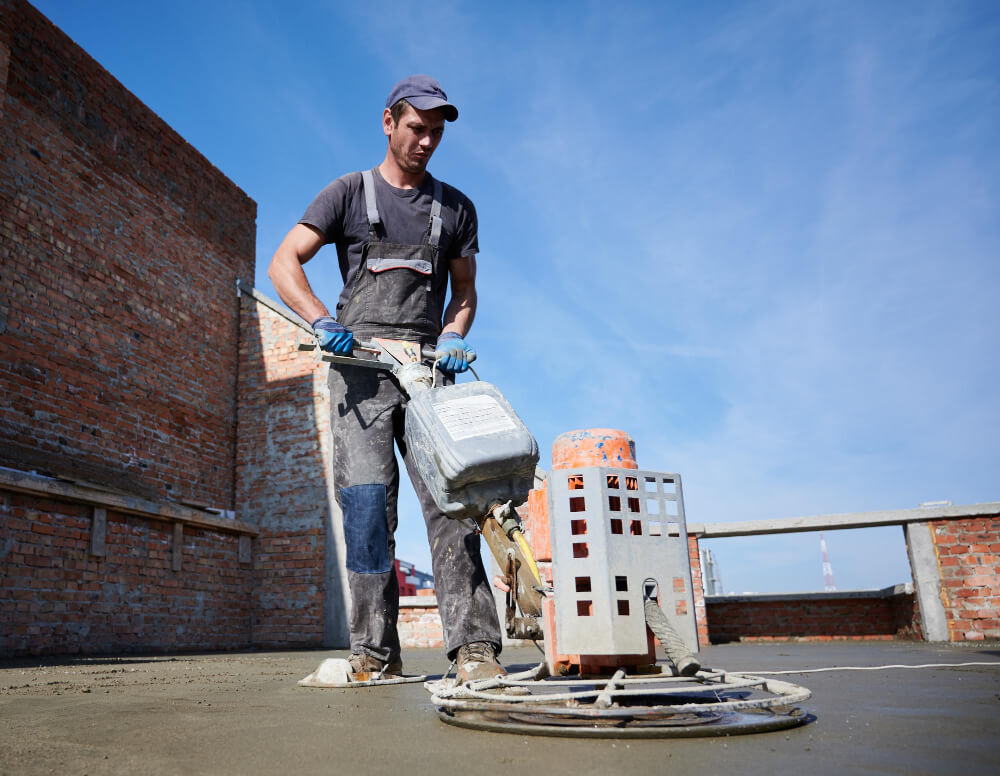
The durability of polished concrete floors comes from the strength of concrete itself. Concrete is already one of the toughest construction materials available. When polished and treated with chemical densifiers, the surface becomes even harder and more resistant to wear.
The polishing process involves:
- Grinding the concrete surface
- Removing imperfections
- Applying hardeners or densifiers
- Polishing to achieve a smooth finish
This process strengthens the floor and creates a highly resistant surface capable of handling heavy foot traffic, machinery, vehicles, and daily wear.
Unlike flooring materials that rely on coatings or adhesives, polished concrete becomes part of the structural slab itself. That is one major reason why it lasts significantly longer than many alternatives.
How Long Do Polished Concrete Floors Typically Last?
In most cases, polished concrete floors can last anywhere between 20 to 100 years depending on:
- Installation quality
- Concrete condition
- Maintenance routine
- Amount of traffic
- Environmental exposure
Residential floors often last several decades with minimal maintenance, while commercial and industrial polished concrete surfaces can withstand constant use for many years before needing major restoration.
Well-maintained polished concrete in warehouses and retail stores has been known to remain functional and visually appealing for over 30 years.
Example: Residential Living Room
Imagine a homeowner installing residential concrete floors in a modern open-concept home. The family has pets, children, and constant daily activity. Traditional hardwood may scratch, and tiles may crack over time.
However, polished concrete resists scratches, handles heavy furniture, and remains visually attractive for decades with occasional resealing and cleaning. Even after 20 years, the floor can still look polished and modern.
Example: Commercial Garage
A business owner installs a polished concrete garage floor in an automotive workshop where vehicles, oil spills, and tools create constant stress on the flooring.
Because polished concrete is resistant to abrasion and easy to clean, the floor continues performing efficiently year after year without major damage. Instead of replacing flooring every decade, the owner only performs occasional repolishing.
Factors That Affect the Lifespan of Concrete Floors
Several important factors influence how long concrete flooring lasts.
1. Quality of Installation
Professional installation is essential. Poor grinding techniques, uneven polishing, or improper densifier application can reduce durability.
Experienced contractors offering concrete floor polishing services understand how to prepare surfaces properly and achieve the right level of finish and protection.
2. Traffic Levels
Heavy foot traffic, forklifts, shopping carts, or machinery can gradually wear down the surface sheen over time.
However, even in high-traffic environments, the concrete slab itself remains structurally strong. In many cases, only light repolishing is needed to restore shine.
3. Maintenance Practices
Proper cleaning dramatically extends floor life.
Basic maintenance includes:
- Dust mopping regularly
- Using pH-neutral cleaners
- Cleaning spills quickly
- Avoiding harsh chemicals
One of the biggest advantages of concrete flooring is that it requires far less maintenance than wood, carpet, or tile.
4. Moisture Exposure
Excessive moisture can weaken untreated concrete over time. Proper sealing and moisture control help protect polished concrete surfaces from damage.
Indoor installations generally last longer because they are protected from rain, UV exposure, and temperature fluctuations.
5. Concrete Quality
The strength of the original slab matters significantly. Higher-quality concrete creates a stronger final polished surface.
Older slabs can often still be polished successfully, but repairs may be necessary before the polishing process begins.
Why Residential Concrete Floors Are Growing in Popularity
Modern homeowners increasingly prefer residential concrete floors because they combine beauty with practicality.
Some key advantages include:
- Minimal maintenance
- Contemporary appearance
- Allergy-friendly surface
- High durability
- Energy efficiency
- Long lifespan
Polished concrete also complements many interior design styles, including:
- Industrial
- Minimalist
- Scandinavian
- Luxury modern
- Contemporary farmhouse
Unlike carpets that trap dust or wood that scratches easily, polished concrete maintains a clean and sleek appearance with minimal effort.
The Lifespan of a Polished Concrete Garage Floor
A polished concrete garage floor experiences some of the toughest conditions in residential spaces.
These floors must handle:
- Vehicle weight
- Tire friction
- Oil spills
- Chemical exposure
- Tool impact
Traditional garage coatings often peel or chip over time. Polished concrete, however, becomes part of the slab itself and is far more durable.
When properly maintained, polished garage floors can easily last several decades while maintaining excellent functionality.
Maintenance Requirements for Long-Lasting Results
One major reason why property owners choose polished concrete floors is the low maintenance requirement.
Daily Maintenance
- Dry dust mop or vacuum
- Remove debris and dirt
Weekly Cleaning
- Damp mop using neutral cleaner
- Avoid acidic cleaning products
Long-Term Maintenance
Depending on traffic levels, floors may need:
- Burnishing
- Light repolishing
- Resealing
Commercial environments may require more frequent touch-ups than residential spaces.
Comparing Polished Concrete to Other Flooring Materials
Hardwood Flooring
Hardwood is attractive but vulnerable to:
- Scratches
- Moisture damage
- Warping
- Refinishing costs
Polished concrete generally lasts much longer with fewer repairs.
Tile Flooring
Tiles can crack, grout can stain, and repairs may become expensive over time.
Concrete eliminates grout lines and provides a seamless surface.
Carpet
Carpets often need replacement every 8–15 years due to staining and wear.
Polished concrete can outlast multiple carpet replacement cycles.
Vinyl Flooring
Vinyl may peel, fade, or dent under heavy use. It also has a shorter lifespan compared to polished concrete.
Environmental Benefits of Concrete Flooring
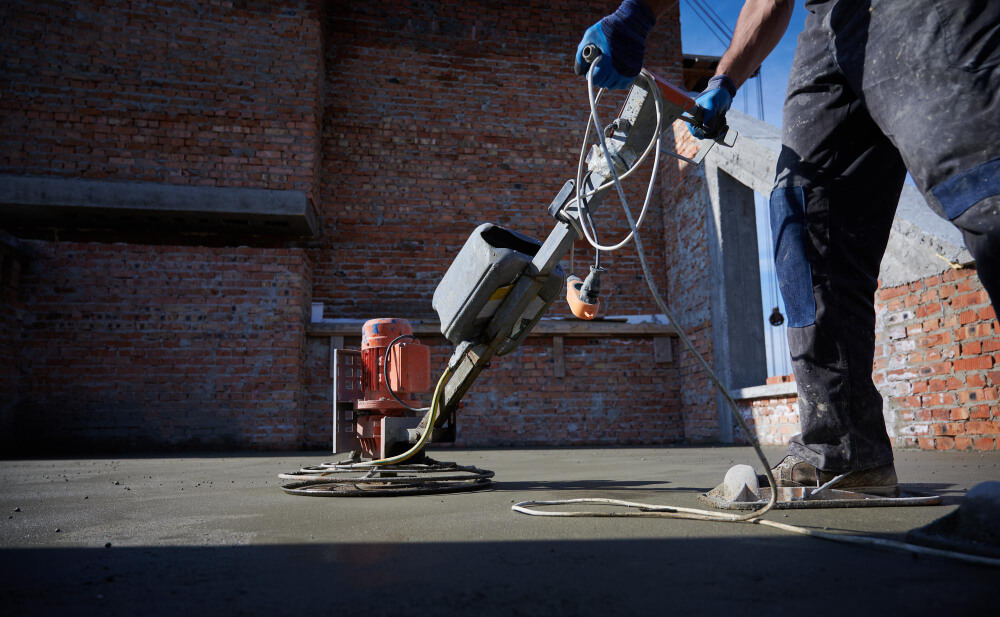
Another major advantage of concrete flooring is sustainability.
Benefits include:
- Reduced material usage
- Lower maintenance chemicals
- Long lifecycle
- Improved indoor air quality
- Better light reflectivity
Because polished concrete often uses the existing slab, fewer additional materials are required during installation. This makes it an eco-friendly flooring option for environmentally conscious property owners. Concrete driveways combine long-term durability, modern aesthetics, and low maintenance, making them one of the most reliable choices for today’s residential properties.
Signs Your Polished Concrete Floor Needs Restoration
Even though polished concrete lasts a very long time, some signs may indicate the need for maintenance or restoration.
Common Signs
- Loss of shine
- Surface scratches
- Staining
- Reduced smoothness
- Minor cracking
Fortunately, most issues can be corrected without replacing the entire floor.
Professional concrete floor polishing services can restore gloss and appearance through repolishing techniques. Cascana Construction delivers professional concrete and flooring solutions with a strong focus on durability, precision workmanship, and long-lasting performance for residential, commercial, and industrial spaces. Contact us to discuss your next concrete flooring project, request a detailed estimate, or connect with experienced contractors specializing in customized flooring applications and structural concrete solutions.
Is Polished Concrete Worth the Investment?
Although installation costs may initially seem higher than some flooring options, the long-term value is impressive.
Property owners save money through:
- Reduced repairs
- Minimal maintenance
- Long lifespan
- Lower replacement frequency
Over decades, polished concrete often becomes more cost-effective than repeatedly replacing tile, carpet, or vinyl.
Conclusion
When it comes to durability, style, and long-term value, polished concrete floors remain one of the strongest flooring investments available today. Their ability to withstand heavy use, resist damage, and maintain visual appeal for decades makes them ideal for homes, garages, retail stores, and industrial facilities alike.
Whether you are considering residential concrete floors, upgrading a polished concrete garage floor, or exploring professional concrete floor polishing services, the long lifespan and low maintenance requirements make polished concrete a smart and future-ready flooring solution. With proper installation and routine care, concrete flooring can continue looking modern, functional, and impressive for generations. Flooring applications showcases advanced flooring systems including concrete flooring, epoxy coatings, concrete sealing, and surface preparation designed to improve strength, appearance, and long-term floor performance.
FAQs
1. How long do polished concrete floors actually last?
Properly maintained polished concrete floors can last anywhere from 20 to 100 years. Residential installations often remain in excellent condition for decades, while commercial floors can withstand heavy traffic for many years with occasional repolishing.
2. What factors affect the lifespan of polished concrete floors?
Several factors influence lifespan, including installation quality, traffic levels, maintenance habits, moisture exposure, and the strength of the original concrete slab. Professional installation and regular cleaning significantly improve durability.
3. Can polished concrete floors crack over time?
Yes, small cracks may develop because concrete naturally expands and contracts. However, minor cracks are often cosmetic and can usually be repaired without replacing the entire floor. Proper installation helps minimize cracking issues.
4. How often do polished concrete floors need maintenance?
Basic cleaning is needed regularly, but major maintenance is minimal. Residential floors may only require occasional burnishing or repolishing every few years, while high-traffic commercial spaces may need more frequent touch-ups.
5. Do polished concrete floors last longer than hardwood or tile?
In most cases, yes. Polished concrete floors generally outlast hardwood, carpet, vinyl, and even tile flooring because they resist scratches, moisture, and heavy wear more effectively over long periods.