

In today’s fast paced development landscape, building a structure is no longer just about bricks, cement, and labor. It is about precision, planning, coordination, and execution at every stage. This is where construction project management becomes the backbone of any successful construction project. Whether it is a residential home, a commercial complex, or a large scale infrastructure project, the difference between success and costly delays often lies in how effectively the project is managed.
At its core, construction project management is the strategic process of planning, organizing, and controlling all aspects of a project from start to finish. It ensures that projects are completed on time, within budget, and according to the required quality standards. Without a structured approach, even the most well funded projects can face delays, cost overruns, and operational chaos.
The growing complexity of modern construction has made construction management more critical than ever. With multiple stakeholders involved including architects, engineers, contractors, suppliers, and clients, coordination becomes a challenging task. A skilled construction manager ensures that every moving part works in harmony, reducing risks and maximizing efficiency.
Before diving deeper, consider these two important questions.
Are you planning a construction project and unsure how to manage timelines, budgets, and teams effectively. Do you want to avoid delays, unexpected costs, and miscommunication during your construction journey. Understanding the importance of construction project management can help you answer these questions and make informed decisions.
What is Construction Project Management
Construction management refers to the application of project management principles specifically tailored for construction projects. It involves overseeing every phase of the project including planning, design, procurement, construction, and completion.
The goal is simple yet critical. Deliver the project successfully while balancing scope, time, cost, and quality. This requires a deep understanding of both technical construction processes and management strategies.
Unlike general project management and construction management, which may overlap, construction focused management deals specifically with on site challenges, safety regulations, and real time problem solving.
Why Construction Project Management is Important
The importance of project management cannot be overstated. Without it, projects can quickly spiral out of control.
First, it ensures proper planning. A well managed project starts with a clear roadmap, defining timelines, resources, and milestones.
Second, it controls costs. Budget overruns are one of the biggest challenges in construction. Effective construction management helps track expenses and prevent unnecessary spending.
Third, it improves communication. With multiple teams involved, clear communication is essential. A construction manager acts as the central point of coordination.
Fourth, it minimizes risks. From safety hazards to legal issues, proper management helps identify and mitigate risks early.
Finally, it ensures quality. Delivering a structurally sound and aesthetically pleasing project requires continuous monitoring and quality checks.
Role of a Construction Manager
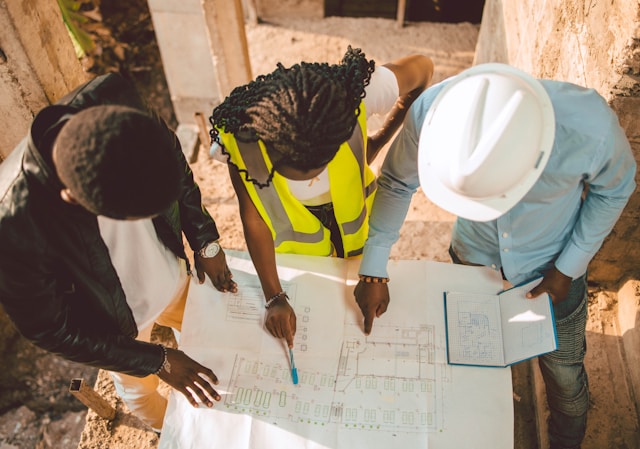 A construction manager plays a vital role in ensuring project success. Their responsibilities go beyond supervision.
They plan project timelines and allocate resources efficiently
They coordinate with architects, engineers, and contractors
They monitor progress and ensure deadlines are met
They manage budgets and control costs
They ensure compliance with safety and legal regulations
In addition, they act as problem solvers, addressing challenges as they arise on site.
When discussing career prospects, many people are curious about the construction manager salary. Salaries can vary depending on experience, location, and project scale, but it is generally considered a well paying and rewarding profession due to the level of responsibility involved.
Stages of Construction Project Management
Understanding the stages of construction project management helps in visualizing how a project progresses from idea to completion.
1. Planning Phase
This is where the foundation is laid. Project goals, budgets, timelines, and feasibility studies are defined.
2. Design Phase
Architects and engineers create detailed plans and blueprints. The construction manager ensures that designs align with budget and project requirements.
3. Pre Construction Phase
Permits are obtained, contractors are hired, and resources are organized. This stage ensures everything is ready before actual construction begins.
4. Construction Phase
This is the execution stage where the physical building takes place. Continuous monitoring ensures quality and adherence to timelines.
5. Post Construction Phase
Final inspections, handover, and documentation are completed. Any defects are addressed before project closure.
Real Life Example
Consider a commercial building project in Vancouver. Without proper construction project management, the project faced delays due to miscommunication between contractors and suppliers. After hiring a professional team specializing in construction management, the workflow was reorganized. Clear timelines were established, responsibilities were defined, and regular progress meetings were introduced. As a result, the project was completed within the revised deadline and stayed within budget. This highlights how effective construction project management can turn around even struggling projects. Choosing the right contractor is one of the most critical steps in any construction project. As highlighted in this detailed guide on selecting the right concrete contractor, defining your project scope, verifying experience, and comparing detailed quotes are essential for ensuring quality outcomes and avoiding costly mistakes.
Benefits of Construction Project Management
The advantages of project management extend beyond just completing a project.
It ensures timely project delivery
It optimizes resource utilization
It improves collaboration among teams
It enhances safety and compliance
It increases overall project efficiency
These benefits make it an essential component of modern construction practices. Cascana Construction offers expert solutions for a wide range of projects.
Final Thoughts
In an industry where precision and coordination are critical, project management serves as the guiding force that brings structure and clarity to complex projects. Whether you are building a home or managing a large scale development, investing in professional construction management ensures smoother execution and better outcomes. Discover specialized services. With the expertise of a skilled construction manager, projects become more predictable, efficient, and successful. Get in touch with experts through the contact page.
FAQs
What is construction project management
It is the process of planning, coordinating, and controlling construction projects to ensure successful completion within time, budget, and quality standards.
Why is construction project management important
It helps prevent delays, control costs, improve communication, and ensure project quality and safety.
What does a construction project manager do
They oversee all aspects of a project including planning, coordination, budgeting, and execution.
What are the stages of construction project management
The stages include planning, design, pre construction, construction, and post construction.
What are the benefits of construction project management
It improves efficiency, reduces risks, ensures timely delivery, and enhances overall project success.