

A home’s driveway plays a major role in both functionality and curb appeal. It is one of the first features people notice when approaching a property, and it must be strong enough to handle daily vehicle traffic, weather exposure, and long-term wear. For homeowners seeking durability, visual appeal, and long-lasting performance, concrete driveways have become one of the most popular choices.
Modern residential design increasingly focuses on clean lines, low maintenance materials, and long-term value. Concrete fits perfectly into this trend because it offers strength, versatility, and a wide range of design options. From smooth finishes to decorative patterns such as a textured concrete driveway, this material can easily complement contemporary homes.
In this guide, we’ll explore why concrete driveways are considered one of the best options for modern homes, what homeowners should know about concrete driveway cost, and how experienced concrete driveway contractors ensure quality results.
The Growing Popularity of Concrete Driveways
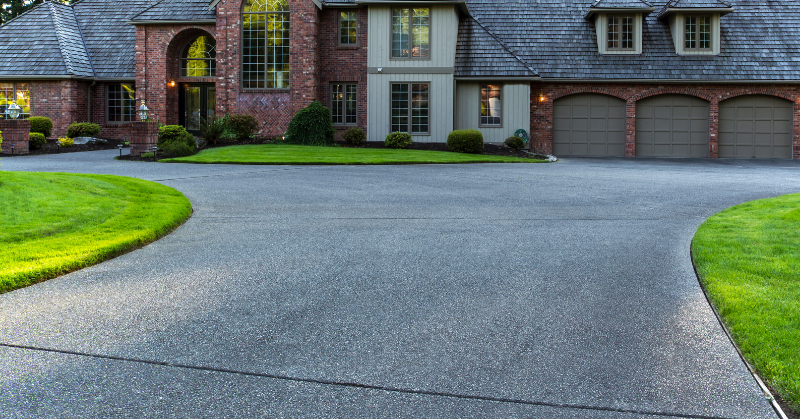
Over the past decade, driveways have become increasingly common in residential neighborhoods due to their durability and long lifespan. Unlike gravel or asphalt surfaces, concrete offers a solid structure that can last for decades with proper installation and maintenance.
Concrete’s strength allows it to handle heavy vehicles without quickly developing ruts or depressions. It also provides a clean and polished appearance that enhances property value. Many modern homes now incorporate architectural landscaping and minimalist exterior designs, making concrete the ideal driveway material because it blends well with stone, wood, glass, and metal finishes. In many residential projects, homeowners choose concrete not only for practicality but also for aesthetics.
Durability That Lasts for Decades
One of the main reasons homeowners choose concrete driveways is their long-term durability. When installed correctly, a concrete driveway can last 25 to 30 years or more. Concrete is renowned for its durability and resilience, making it an ideal choice for driveways and other high-traffic areas. It can withstand heavy vehicle loads, daily wear and tear, exposure to various weather conditions, and even oil or fuel spills. Unlike asphalt, which often requires resurfacing every few years, concrete driveways maintain their structural integrity for significantly longer periods. This long-lasting performance not only reduces maintenance costs but also ensures a reliable and stable surface for years to come. Because of this strength, homeowners often view concrete as a long-term investment rather than a short-term solution.
Modern Design Options with Textured Concrete
Today’s concrete driveways offer far more than a plain grey slab. Decorative finishing techniques allow homeowners to customize the appearance of their driveway to match their home’s style. A textured concrete driveway is particularly popular because it adds visual interest and improves traction. This type of finish can mimic natural stone, brick, or tile patterns while maintaining the durability of concrete.
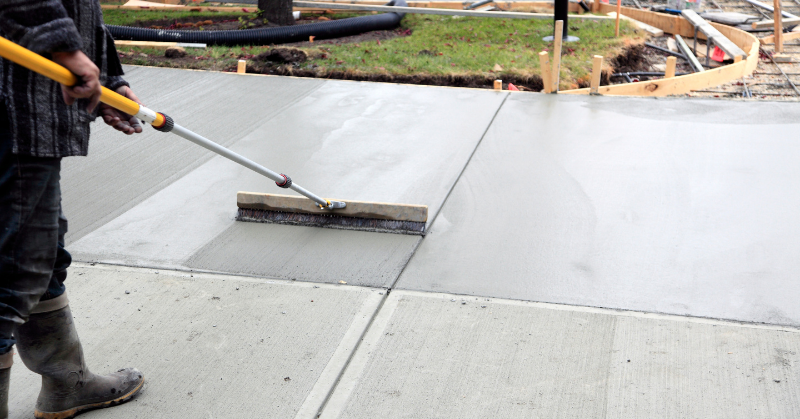
Common textured concrete finishes offer both functionality and visual appeal, allowing homeowners to customize their surfaces to suit different styles. Popular options include stamped concrete patterns, broom-finished surfaces, exposed aggregate textures, and decorative scoring designs. For example, a homeowner renovating a modern property might choose a textured concrete driveway with a geometric stamped pattern that complements contemporary landscaping features. This approach not only enhances the aesthetic appeal of the property but also provides a durable, slip-resistant surface that stands up to daily use and environmental wear. These decorative options make concrete a versatile choice that suits both traditional and modern architecture.
Low Maintenance Requirements
Another major advantage of driveways is their relatively low maintenance. Once installed, they require minimal upkeep compared to other driveway materials.
Typical maintenance for a concrete driveway is straightforward and helps preserve both its appearance and durability. This includes occasional cleaning to remove dirt and debris, applying a sealant every few years, and performing minor crack repairs as needed. Regular sealing is especially important, as it protects the surface from moisture, staining, and weather-related damage, ensuring that the driveway remains visually appealing and structurally sound for many years.
Understanding Concrete Driveway Cost
Before installing a driveway, many homeowners ask: how much does a concrete driveway cost? The answer depends on several factors, including driveway size, design complexity, material quality, and labor costs. These variables all influence the final concrete driveway cost.
The cost of a concrete driveway is influenced by several key factors that determine the overall pricing. Driveway size and thickness play a major role, as larger or thicker slabs require more materials and labor. Site preparation requirements, such as grading or excavation, can also impact costs. Decorative finishes, including stamping, coloring, or texturing, add both material and labor expenses. The use of reinforcement materials like rebar or mesh, as well as proper drainage considerations to prevent water accumulation, further affect pricing. Understanding these factors helps homeowners plan their budget more accurately for a durable and visually appealing driveway.
Why Hiring Professional Contractors Matters
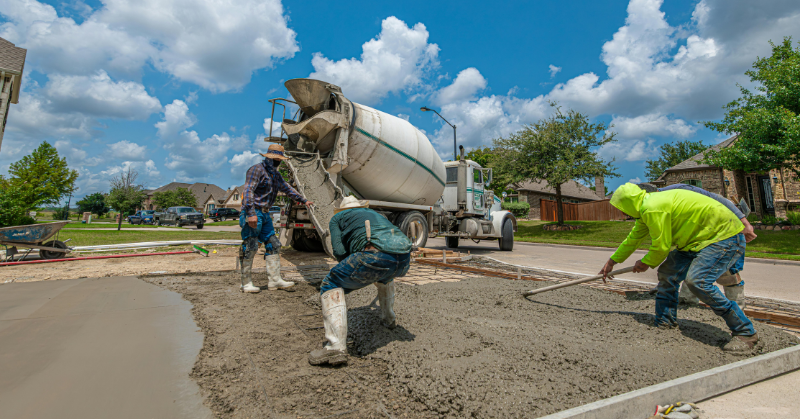
Installing concrete driveways is a complex process that requires careful planning, accurate measurements, and proper material handling. Working with experienced concrete driveway contractors ensures the project is completed correctly and safely.
Professional concrete contractors typically follow a series of key steps to ensure a durable and high-quality result. The process begins with a thorough site evaluation and preparation, assessing soil conditions and existing structures. Proper grading and drainage planning are then implemented to prevent water accumulation and structural issues. Reinforcement materials, such as rebar or mesh, are installed to enhance strength and longevity. Next, the concrete is carefully poured and finished using appropriate techniques to achieve the desired surface texture and appearance. Finally, curing and sealing are performed to protect the concrete, improve durability, and maintain its visual appeal over time.
Experienced concrete driveway contractors also understand how soil conditions and climate can affect concrete performance. In real residential projects, many driveway failures occur because of improper installation rather than poor materials. A skilled contractor ensures that the foundation is properly prepared so the concrete remains stable for years. Hiring a professional contractor ensures projects are completed with industry expertise, quality workmanship, and efficient construction techniques, improving overall project results.
Real Example: A Modern Home Driveway Upgrade
Consider a homeowner renovating a contemporary property. The original driveway was gravel, which created dust, uneven surfaces, and constant maintenance problems. After consulting professional concrete driveway contractors, the homeowner decided to install a textured concrete driveway with an exposed aggregate finish.
The results of installing a concrete driveway are often well worth the initial investment. Homeowners benefit from improved curb appeal, better traction for both vehicles and pedestrians, reduced maintenance requirements, and increased property value. While the upfront cost of a concrete driveway may be higher than resurfacing a gravel driveway, its long-term durability and low upkeep make it a smart and cost-effective choice. This example illustrates why more homeowners are opting for concrete in modern driveway projects, combining functionality, safety, and visual appeal in a single investment.
Environmental and Practical Benefits
Another reason concrete driveways are becoming more common is their environmental performance. Concrete reflects more sunlight than darker materials such as asphalt, which helps reduce heat absorption. This reflective property can contribute to cooler outdoor surfaces during warm weather. Additionally, properly installed concrete surfaces can improve water drainage and reduce erosion around the property. Because concrete lasts longer than many alternative materials, it also reduces the need for frequent replacement, making it a more sustainable choice over time.
Conclusion
Driveways are an essential part of any home’s exterior design and functionality. Choosing the right material can improve both the appearance and long-term performance of your property. Concrete driveways stand out as one of the best choices for modern homes because they offer durability, design flexibility, and low maintenance. With options such as a textured concrete driveway, homeowners can achieve both strength and style in a single solution. Cascana Construction provides professional concrete services including architectural forming, decorative finishes, pools, excavation, demolition, and high-quality structural concrete work.
While the concrete driveway cost may vary depending on size and design, the long lifespan and minimal upkeep make it a worthwhile investment. By working with experienced concrete driveway contractors, homeowners can ensure their driveway is built to last for decades while enhancing the overall value of their property. Cascana Construction delivers high-quality concrete solutions, combining experience, skilled craftsmanship, and modern techniques to complete residential and commercial projects. Contact us for project inquiries, quotes, or consultations through phone or email to discuss your concrete construction needs
FAQs
1. How much does a concrete driveway cost?
The concrete driveway cost depends on factors such as size, thickness, site preparation, and decorative finishes. Larger or custom-designed driveways typically cost more than standard installations.
2. Are concrete driveways better than asphalt?
Yes, concrete driveways generally last longer than asphalt and require less maintenance, making them a popular long-term investment for homeowners.
3. What is a textured concrete driveway?
A textured concrete driveway uses special finishing techniques such as stamping or exposed aggregate to create decorative patterns and improve surface traction.
4. Why should I hire professional concrete driveway contractors?
Experienced concrete driveway contractors ensure proper site preparation, reinforcement, and installation, which prevents cracking, sinking, and other structural problems over time.