


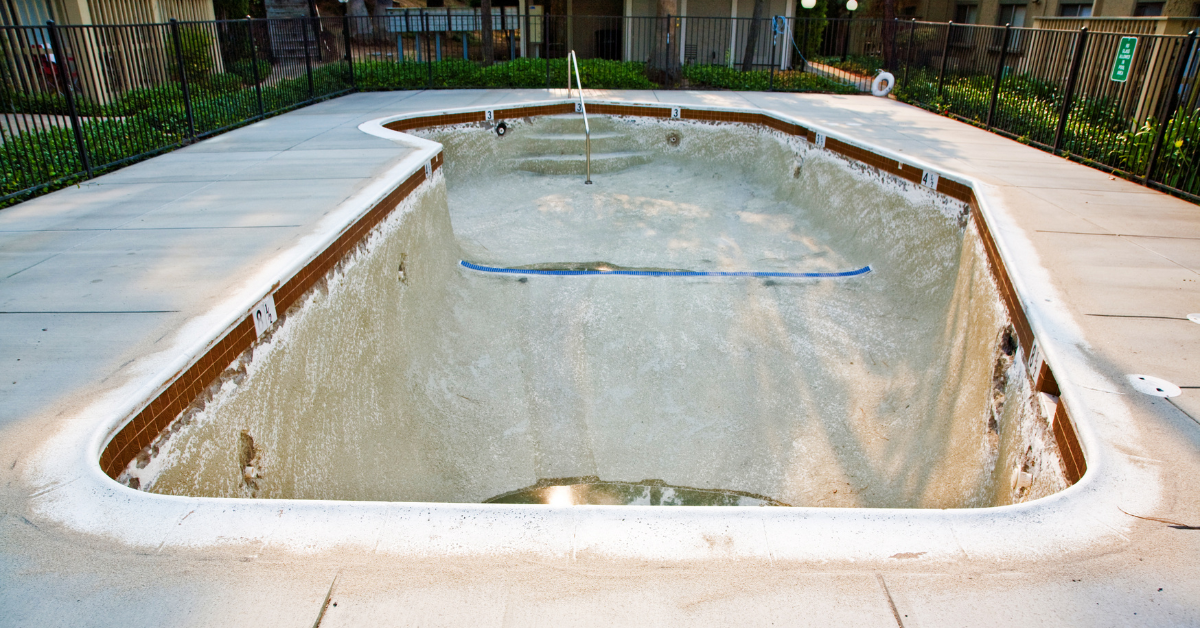
What does it take to turn an empty backyard into a finished concrete pool? From site assessment and excavation to reinforcement, plumbing, concrete placement, curing, and finishing, concrete swimming pool construction follows a carefully planned process. Concrete pools offer flexibility in shape, depth, steps, curves, and custom features, but achieving a durable finish requires attention to every construction stage. The Australian pool industry continues to grow, with SPASA reporting more than 12,000 new pools and spas constructed and installed annually across Australia and New Zealand.
‘A beautiful pool may be the finished picture, but the real quality is built into every stage beneath the surface’
Understanding the process can help homeowners make informed decisions and know what to expect as their project moves from an initial concept to a completed swimming pool.
1. Initial Consultation and Pool Design
Every successful concrete swimming pool construction project starts with planning.
The first stage involves discussing how you want to use the pool and what you want it to look like. The builder may assess the available space, property layout, access, existing structures, and potential design requirements.
Important decisions may include:
- Pool shape and dimensions
- Depth and levels
- Entry steps or ledges
- Water features
- Pool lighting
- Filtration and equipment
- Interior finish
- Coping and surrounding areas
- Landscaping requirements
At this stage, the design should balance aesthetics with the practical characteristics of the property.
2. Site Assessment, Engineering and Approvals
Before construction begins, the proposed pool area needs to be properly assessed. Site conditions can influence excavation, drainage, access, structural requirements, and the overall construction sequence. Engineering and relevant approvals also need to be addressed before work begins. This stage is important because problems identified early can often be planned for before construction reaches the site. For homeowners, asking questions about approvals, engineering, access, drainage, and construction stages early can make the overall process easier to understand.
3. Marking Out and Excavation
Once the design and approvals are ready, the pool is marked out on the property according to the approved plans. Excavation then begins. This is often the stage when the project starts to look real. Machinery removes soil to create the space required for the pool structure. However, excavation is not simply about digging a hole. The depth, shape, levels, access, drainage, and surrounding ground conditions all need to be considered.
Unexpected rock, difficult soil, restricted access, or existing services can affect the excavation process. Experienced builders therefore assess the site carefully before and during this stage.
4. Steel Reinforcement and Structural Preparation
Once excavation is complete, structural preparation begins.
Steel reinforcement is installed according to the engineering requirements. This reinforcement forms an important part of the pool’s structural framework and helps the concrete shell withstand the forces acting on it. This stage is one of the most important concrete pool construction details because the reinforcement needs to be positioned accurately according to the project specifications. Plumbing and other services are also coordinated at this point.
The pool may require pipework for:
- Water circulation
- Skimmers
- Returns
- Main drains
- Water features
- Filtration
- Heating
- Pool lighting
Electrical conduits and other required infrastructure also need to be considered before the concrete shell is formed.
5. Plumbing and Electrical Installation
A pool is much more than its visible shell. Before concrete is applied, the builder needs to coordinate the plumbing and electrical components that will support the finished pool. Pipework needs to connect the swimming area with the filtration and circulation equipment. Electrical provisions may be required for lighting, pumps, heating, automation, and other equipment. This is why detailed planning is so important. Once the concrete shell is formed, access to many concealed components becomes limited. Proper coordination during this stage can help ensure that the finished pool operates as intended.
6. Forming the Concrete Pool Shell
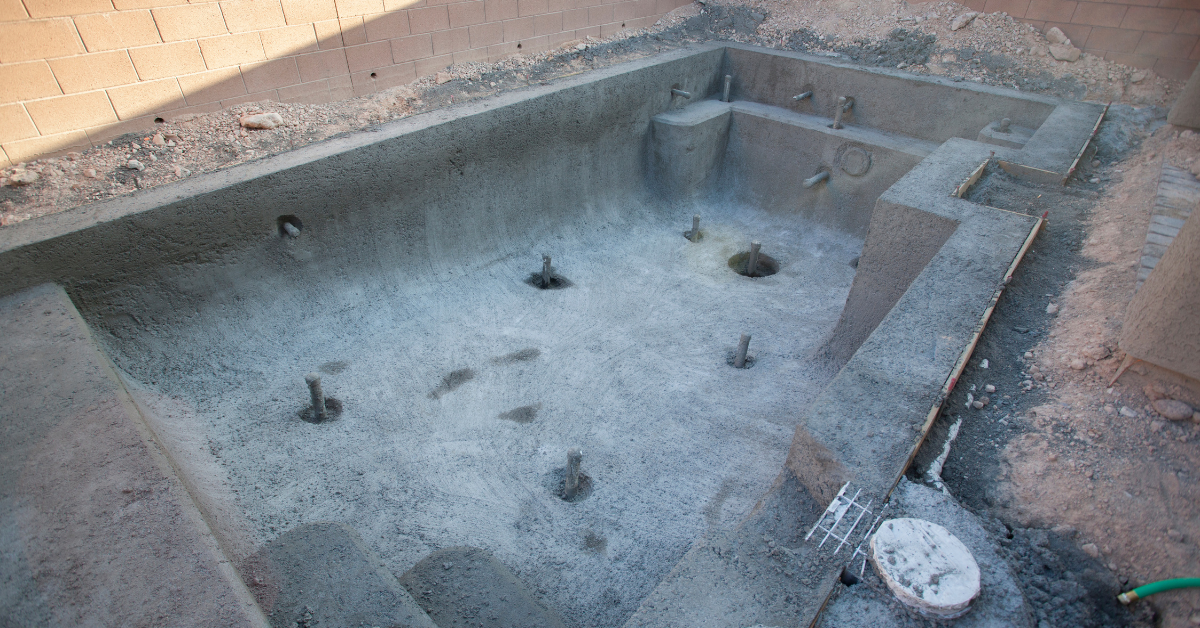
This is the stage most homeowners associate with concrete swimming pool construction. The prepared steel reinforcement and services are enclosed within the concrete structure, creating the shell of the pool. Depending on the construction method, concrete may be pneumatically applied or placed using another suitable technique. The concrete needs to be applied consistently and shaped according to the approved design.
This is also where features such as:
- Curved walls
- Benches
- Steps
- Tanning ledges
- Deep sections
- Custom contours
can take their final structural form.
According to SPASA provides structural design and construction requirements for small reinforced concrete swimming pools, including areas such as materials, construction tolerances, curing, jointing, and embedments.
7. Concrete Curing
Once the shell has been formed, the concrete requires appropriate curing time. Concrete does not reach its required properties immediately after application. Curing helps the material develop strength and supports the long-term performance of the structure.
The appropriate curing process can depend on factors such as:
- Concrete mix
- Weather conditions
- Temperature
- Moisture
- Construction method
- Project specifications
This is one area where rushing the process can create unnecessary problems. The construction team should determine when the next stage can safely proceed based on the specific project requirements.
8. Waterproofing and Interior Preparation
After the structural shell has been completed and appropriately prepared, the next stages focus on getting the interior ready for its final finish. Waterproofing and surface preparation requirements can vary depending on the construction system and selected finish. The interior may eventually receive materials such as pebble finishes, render, tiles, or other suitable pool surfaces. The preparation beneath the final finish matters because the finished surface is not simply decorative. It forms part of the pool’s overall appearance and contributes to how the structure performs and is maintained.
9. Coping, Tiling and Surrounding Works
Once the shell and interior preparation are ready, attention turns towards the visible finishing details. Coping is installed around the pool edge, while waterline tiles or other selected finishes may be added depending on the design.
Surrounding works can include:
- Paving
- Decking
- Tiling
- Landscaping
- Outdoor entertaining areas
- Pool fencing
These elements help connect the pool with the rest of the backyard. The final appearance is therefore influenced not only by the pool itself but also by how the surrounding areas are designed and finished.
10. Equipment Installation and Final Commissioning
The final stages involve installing and connecting the pool equipment.
Depending on the design, this may include pumps, filtration systems, heating equipment, lighting, automation, and other components. The equipment needs to be checked and commissioned before the pool is ready for regular use. The pool is then filled, water chemistry is balanced, systems are tested, and the homeowner receives information about operating and maintaining the pool. This final stage completes the concrete swimming pool construction details that began with the original design.
How Long Does the Construction Process Take?
There is no single timeframe for every project.
The duration of concrete swimming pool construction can depend on:
- Pool size and complexity
- Site access
- Ground conditions
- Engineering and approvals
- Weather
- Design changes
- Material availability
- Landscaping and surrounding works
A straightforward project may progress more quickly than a highly customised pool with difficult excavation, complex structural features, extensive landscaping, or challenging site access. The best approach is to discuss the expected sequence and timeframe with your builder before construction begins.
Why Professional Planning Matters
Every stage connects to the next. A design decision made during planning can affect excavation. Excavation can influence structural preparation. Plumbing and electrical decisions need to be coordinated before the concrete shell is formed. Finishes and landscaping then depend on the completed structure. That is why concrete pool construction should be approached as one coordinated project rather than a series of unrelated tasks.
Building Your Pool With Cascana Construction
A successful concrete swimming pool construction project starts with clear planning and continues with careful execution at every stage. From the initial design and excavation through to the structural shell, finishing, equipment installation, and final handover, each stage contributes to the quality of the finished pool. Planning your own concrete pool? Contact us to discuss your project, design requirements, and next steps with the team.
Cascana Construction works with homeowners to plan and build concrete pools around their property and requirements. For additional planning inspiration, homeowners can also explore Cascana Construction’s related resources and pool-building guides before beginning their project.
Frequently Asked Questions
How Is a Concrete Swimming Pool Constructed Step by Step?
The typical process includes consultation and design, site assessment, engineering and approvals, excavation, steel reinforcement, plumbing and electrical preparation, concrete shell construction, curing, interior preparation, coping and tiling, equipment installation, fencing, filling, testing, and final handover.
What Happens After Excavation During Pool Construction?
After excavation, the pool structure is prepared with steel reinforcement and required plumbing and electrical infrastructure. These components are positioned according to the engineering and pool design before the concrete shell is formed.
How Is the Concrete Shell of a Swimming Pool Built?
A reinforced framework is prepared inside the excavated area, with plumbing and other services coordinated around it. Concrete is then applied or placed to form the walls, floor, steps, benches, and other structural features according to the approved design.
How Long Does Concrete Swimming Pool Construction Take?
The timeframe varies between projects. Pool size, design complexity, site access, ground conditions, approvals, weather, material availability, and surrounding works can all influence the schedule. A project-specific timeframe should be provided by the pool builder.
What Happens After the Concrete Shell Is Completed?
After the shell is appropriately cured and prepared, subsequent stages can include waterproofing, interior finishes, coping, tiling, equipment installation, fencing, landscaping, filling, water balancing, testing, and final commissioning.