


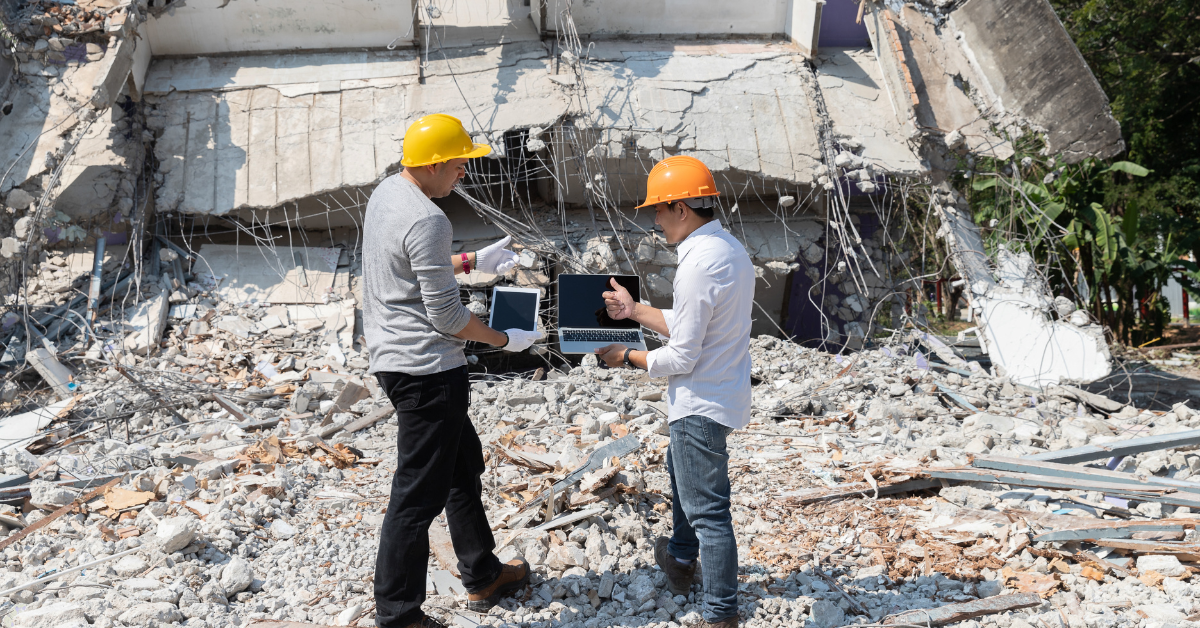
“Good demolition is not simply about breaking concrete. It is about removing what no longer works while protecting what comes next.”
Imagine planning a new driveway in Vancouver, only to face unexpected costs because your contractor failed to plan for debris removal, landscaping protection, or site preparation. Choosing the right concrete demolition contractors can help prevent such setbacks through proper planning, suitable equipment, and safe work practices. Whether you are replacing a driveway, removing a patio, or preparing a commercial site, the right team can make the process smoother and more efficient. Here is what to consider before hiring a demolition contractor in Vancouver and the Lower Mainland.
1. Check Experience With Similar Demolition Projects
Not every demolition project requires the same approach. Removing a small backyard patio differs considerably from breaking up a reinforced concrete foundation or clearing a large commercial slab. When comparing contractors, ask about their experience with projects similar to yours. Look for familiarity with residential, commercial, and structural demolition, depending on your requirements. Experienced concrete demolition contractors should be able to explain how they assess concrete thickness, reinforcement, surrounding structures, site access, and equipment requirements before beginning work.
Review the company’s demolition and excavation services to understand the range of work it offers.
Useful questions to ask include:
- Have you completed projects of similar size and complexity?
- What demolition method would you recommend for my property?
- How will you protect nearby structures and landscaping?
- What preparation will be required before new construction begins?
Clear answers help you evaluate whether a contractor understands your project’s practical requirements. For more insights into concrete demolition techniques, equipment, and safety practices, explore this guide: concrete demolition: methods, tools, and best practices.
2. Verify Insurance, Qualifications, and Safety Practices
Concrete demolition involves heavy materials, powerful machinery, airborne dust, and potential damage to underground utilities. Safety should therefore be a priority from the initial assessment to the final cleanup. Before hiring a contractor, ask for proof of appropriate liability insurance and workers’ compensation coverage. Confirm that the team has the training and qualifications relevant to the proposed work.
You should also ask how the contractor will manage:
- Dust and flying concrete fragments.
- Noise and vibration near neighbouring properties.
- Underground water, gas, and electrical services.
- Restricted access and pedestrian safety.
- Hazardous materials that may be present in older structures.
For older buildings, hazardous-material assessments may be necessary before demolition. WorkSafeBC provides guidance on demolition safety and asbestos hazards, including requirements for identifying and safely managing asbestos-containing materials. A contractor who explains potential risks and their proposed controls gives you a clearer understanding of how the work will be managed.
3. Understand the Demolition Process and Equipment
The right equipment depends on the structure, its location, and the required level of precision. Small residential jobs may need handheld breakers, while larger concrete slabs could require excavators equipped with hydraulic breakers. Some projects benefit from controlled cutting before demolition, particularly when concrete sits close to foundations, walls, or existing infrastructure.
A professional contractor typically follows these stages:
- Site assessment: Evaluate the concrete, access conditions, surrounding structures, and potential hazards.
- Planning: Establish the work area, equipment requirements, safety measures, and removal strategy.
- Utility checks: Identify underground or concealed services that could be affected.
- Controlled demolition: Break or cut the concrete using suitable methods.
- Debris removal: Load, transport, and sort the resulting material.
- Site preparation: Leave the area in the agreed condition for its next use.
Reliable concrete demolition contractors should explain these stages before work starts rather than leaving important details until demolition day.
4. Compare Quotes Beyond the Initial Price
A low quote can look attractive, but the total cost depends on what the contractor includes. One estimate may cover breaking the concrete only, while another includes loading, transportation, disposal fees, and basic site cleanup.
Ask for a written estimate that clearly outlines:
- Labour and equipment costs.
- Concrete thickness and estimated removal quantity.
- Debris loading, transportation, and disposal.
- Permits or additional assessments, where applicable.
- Site access requirements and preparation work.
- Potential additional charges for unforeseen conditions.
The cost of concrete demolition can also vary with reinforcement, restricted access, concrete depth, and the distance required to transport debris. For a more accurate comparison, request quotes based on the same scope of work. This helps you identify differences between estimates and reduces the risk of unexpected expenses.
5. Check Waste Removal and Recycling Practices
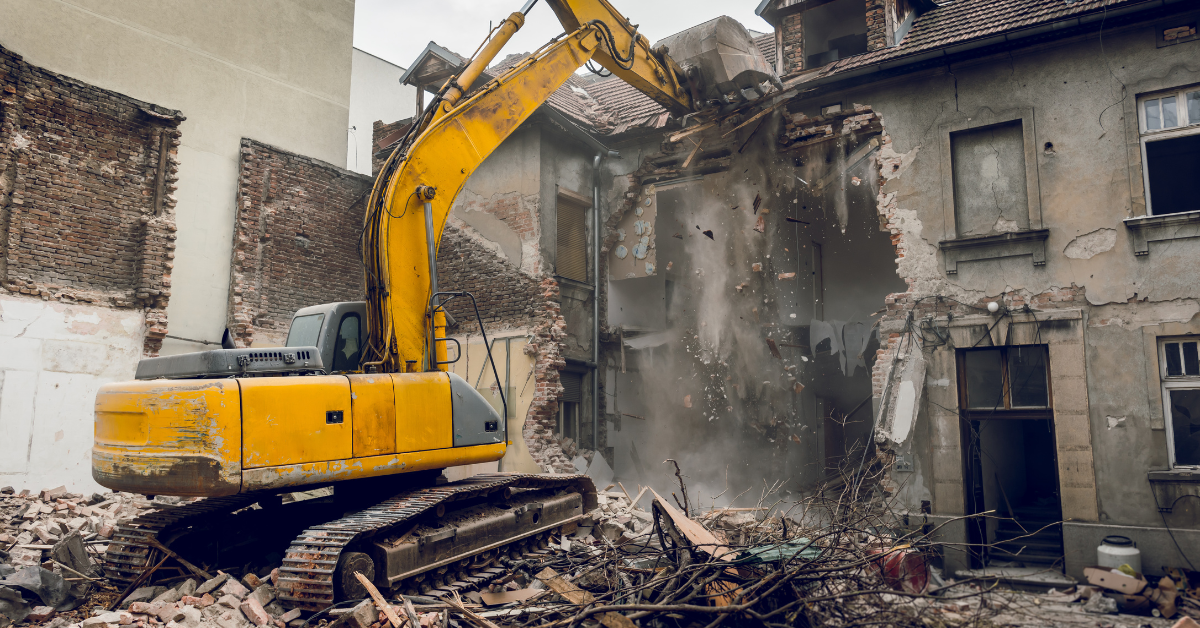
Breaking concrete is only one part of the job. The resulting debris must also be handled appropriately. Ask whether the contractor includes debris removal, where the material will be taken, and whether recyclable concrete can be separated from other construction waste. Concrete can often be crushed and reused as aggregate or base material when its condition and local requirements permit. Recycling may reduce the amount sent to landfill, although actual options depend on the material and available facilities. When comparing concrete demolition and removal services, confirm that disposal arrangements are included in writing. Also clarify whether the contractor will remove reinforcement, mixed waste, or other materials separately if required.
A well-organised cleanup plan helps prevent leftover debris from delaying landscaping, paving, or construction work.
6. Look for Clear Communication and Reliable Scheduling
Even a technically capable contractor can create difficulties if communication is poor. Before making a decision, consider how promptly the company responds, explains its recommendations, and answers questions about scheduling. Ask when the team can begin, how long the work is expected to take, and what circumstances could cause delays. Weather, access restrictions, unexpected reinforcement, and concealed hazards can affect the schedule. If you are searching online for concrete demolition near me, do not rely on proximity alone. Check the company’s service area, project experience, insurance, written estimates, and customer feedback.
Cascana Construction serves Vancouver and communities throughout the Lower Mainland. You can explore its concrete construction services to learn more about its capabilities and approach to project delivery.
An Illustrative Project Example: Why Planning Matters
Consider a homeowner in Burnaby who wants to replace a cracked concrete driveway with a new surface. The driveway is close to a garden, a garage entrance, and underground drainage infrastructure. The homeowner receives two estimates. The first is cheaper but covers only breaking the concrete. The second explains the demolition method, equipment, debris removal, access arrangements, and preparation required for the replacement driveway. Although the second estimate has a higher initial price, it provides a clearer picture of the complete project cost. The homeowner asks both contractors about protecting the garden, checking underground services, and leaving the site ready for the next stage. After reviewing their responses, the homeowner can make a more informed decision based on scope, safety, and overall value rather than price alone.
The takeaway: A detailed plan can help reduce misunderstandings, avoid preventable delays, and make it easier to coordinate demolition with the construction work that follows. This is an illustrative scenario, not a reported customer case study.
Why Choose Cascana Construction?
Cascana Construction provides concrete and construction services across Vancouver and the Lower Mainland, including demolition and excavation. Its team focuses on workmanship, project planning, and delivering solutions suited to residential, commercial, and other construction requirements. When evaluating a contractor, look for a team that communicates clearly, explains its approach, and provides a defined scope before work begins. These qualities make it easier to understand what you are paying for and what to expect throughout the project. Whether you are preparing a driveway for replacement or clearing concrete from a larger site, choosing a contractor with suitable experience and equipment can help you move forward with greater confidence. To discuss your project requirements, contact Cascana Construction and request an estimate.
Frequently Asked Questions
1. What Qualifications Should You Look for in Concrete Demolition Contractors?
Look for relevant industry experience, trained operators, appropriate insurance, and familiarity with local safety requirements. Ask about similar projects, equipment, hazardous-material procedures, and waste handling. The contractor should also provide a clear written scope and explain the proposed demolition method.
2. How Much Do Concrete Demolition Contractors Charge?
Pricing depends on concrete thickness, project size, reinforcement, site access, labour, equipment, and debris disposal. Small residential jobs may cost substantially less than structural or commercial projects. Request a site-specific written estimate rather than relying on a general price per square foot.
3. Are Concrete Demolition Contractors Licensed and Insured?
Insurance requirements and applicable qualifications depend on the work and jurisdiction. Ask contractors for proof of liability coverage and workers’ compensation where applicable. Confirm whether permits, specialised certifications, or additional approvals are required for your particular demolition project.
4. What Should Be Included in a Concrete Demolition Estimate?
A detailed estimate should specify the demolition area, concrete thickness, labour, equipment, debris loading and disposal, site cleanup, expected schedule, and applicable permits. It should also explain exclusions and how additional costs will be handled if unexpected site conditions arise.
5. How Do You Compare Quotes From Concrete Demolition Contractors?
Compare quotes based on the same project scope, including demolition, equipment, disposal, cleanup, and site preparation. Review insurance, experience, scheduling, and communication alongside price. A detailed estimate makes it easier to identify missing services and assess overall value before hiring.