

Have you ever looked at an old concrete driveway, cracked patio, or damaged foundation and wondered how professionals remove something so solid without damaging the surrounding property? Is every demolition project handled the same way, or does each site require a different approach? And what happens to the tonnes of broken concrete once the work is complete? Imagine you’ve just purchased an older home in Vancouver. The backyard features a worn-out concrete patio that has developed large cracks over the years. Water pools after every rainfall, sections have become uneven, and you’re ready to replace it with a beautiful outdoor living space. While it’s exciting to picture the finished result, there’s one essential step before construction can begin, removing the existing concrete safely and efficiently. Many people assume demolition simply involves breaking concrete into smaller pieces with heavy machinery. In reality, concrete demolition and removal is a carefully planned process that combines engineering knowledge, specialised equipment, safety procedures, and environmentally responsible waste management. Every project begins with assessing the site, identifying potential hazards, selecting the appropriate demolition technique, and ensuring surrounding structures remain protected throughout the process.
Whether you’re replacing a residential driveway, removing a damaged garage slab, preparing land for a new foundation, or renovating a commercial property, understanding how concrete demolition and removal works helps you make informed decisions, avoid unnecessary delays, and ensure your next construction project starts on a safe and stable foundation. In this guide, we’ll walk you through every stage of the demolition process, explain the equipment professionals use, discuss safety considerations, and explore why hiring experienced experts leads to better long-term results.
Why Concrete Demolition Requires Careful Planning
Concrete is designed to withstand years of heavy traffic, changing weather conditions, and significant structural loads. Because of its strength, removing it requires far more than brute force.
Every demolition project begins with careful planning to ensure the work can be completed safely, efficiently, and with minimal disruption.
Professional contractors evaluate factors such as:
- Thickness of the concrete
- Reinforcement with steel rebar
- Nearby buildings and structures
- Underground utility lines
- Drainage systems
- Access for demolition equipment
- Waste removal logistics
Without proper planning, demolition can create unnecessary safety risks, property damage, and costly project delays.
Step 1: Site Inspection and Project Assessment
Before any machinery arrives, professionals conduct a thorough inspection of the property.
This initial assessment helps determine the safest and most efficient demolition strategy.
The inspection typically includes:
Measuring the Concrete
Contractors determine:
- Thickness
- Surface area
- Volume
- Reinforcement
Thicker slabs often require larger equipment and additional labour.
Identifying Underground Utilities
Before excavation begins, utility lines must be located.
These may include:
- Water pipes
- Gas lines
- Electrical cables
- Sewer connections
- Communication lines
Accidentally damaging underground infrastructure can create serious safety hazards and expensive repairs.
Evaluating Surrounding Structures
Nearby buildings, retaining walls, fences, landscaping, and neighbouring properties all influence demolition planning. Professionals carefully assess vibration risks to prevent unnecessary structural damage.
Step 2: Selecting the Right Demolition Method
No two demolition projects are identical.
The chosen method depends on several factors:
- Concrete thickness
- Structural purpose
- Site accessibility
- Environmental considerations
- Nearby buildings
- Budget
- Timeline
Professional concrete demolition contractors evaluate these factors before selecting the most appropriate approach.
Mechanical Demolition
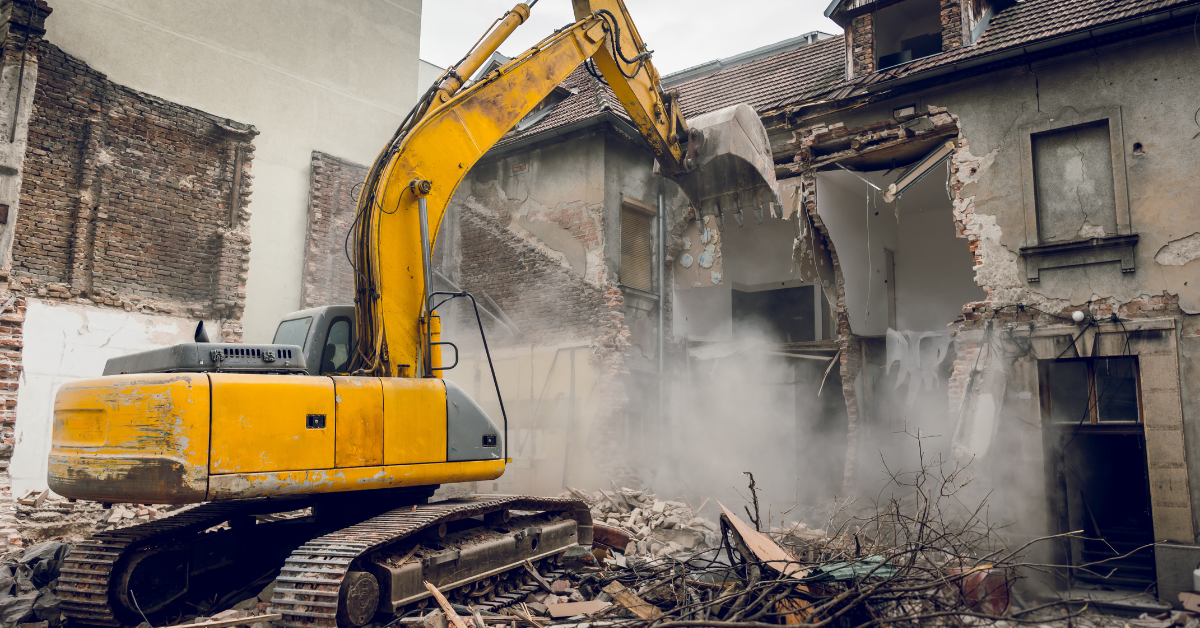
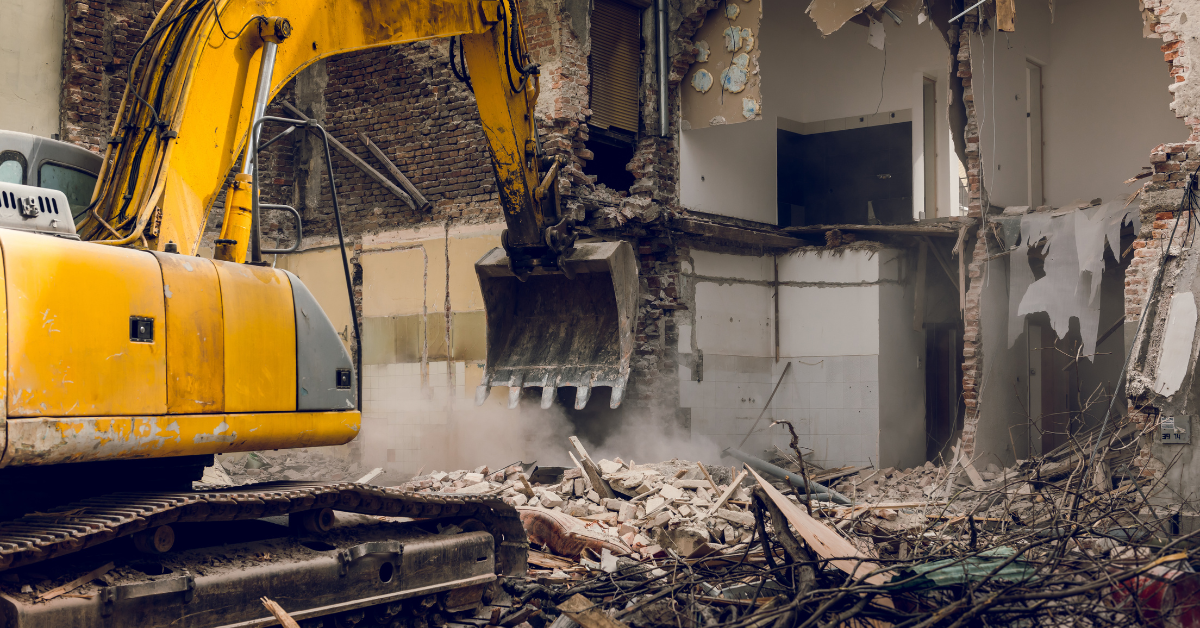
Mechanical demolition is the most common method for larger projects.
Equipment may include:
- Excavators
- Hydraulic breakers
- Skid steers
- Mini excavators
- Bobcats
These machines efficiently break large concrete slabs into manageable pieces for removal.
Hand Demolition
For smaller residential projects or confined spaces, manual demolition may be the safer option.
Workers use:
- Jackhammers
- Rotary hammers
- Sledgehammers
- Concrete saws
Hand demolition provides greater precision around existing structures and landscaping.
Saw Cutting
Sometimes contractors need to remove only specific sections of concrete.
Diamond saw cutting creates clean, accurate cuts before demolition begins.
This technique helps:
- Reduce vibration
- Prevent unnecessary cracking
- Protect surrounding structures
- Improve demolition accuracy
Step 3: Preparing the Work Area
Safety preparation is one of the most important stages of concrete demolition and removal.
Before demolition starts, crews secure the site by:
- Installing safety barriers
- Marking exclusion zones
- Disconnecting nearby utilities if necessary
- Removing obstacles
- Protecting landscaping
- Covering nearby windows and surfaces
- Establishing equipment access routes
Dust suppression measures are also implemented to minimise airborne particles and improve visibility during demolition.
Step 4: Breaking the Concrete
Once preparation is complete, demolition begins. The process depends on the selected method and equipment. Large slabs are typically broken into smaller sections that can be safely lifted and transported. For reinforced concrete, contractors may first expose steel reinforcement before cutting it with specialised equipment. Throughout the process, operators carefully control the force applied to minimise unnecessary vibration and protect nearby structures.
This controlled approach ensures the project progresses efficiently while maintaining a safe working environment.
Safety Always Comes First
Concrete demolition presents several potential hazards.
These include:
- Flying debris
- Dust exposure
- Heavy machinery operation
- Falling concrete
- Underground utility risks
- Noise
- Vibration
Professional teams minimise these risks by following strict safety procedures, wearing appropriate protective equipment, and using specialised machinery designed for controlled demolition.
For projects involving concrete demolition Vancouver, contractors must also comply with local regulations and environmental requirements to ensure both worker and public safety.
Step 5: Removing and Transporting the Debris
Breaking the concrete is only half the job. Once the slab has been demolished, all debris must be safely removed from the site.
Depending on the project’s size, contractors use loaders, skid steers, excavators, and dump trucks to collect and transport broken concrete efficiently. Larger commercial projects may require multiple truckloads, while smaller residential jobs can often be completed in a single day.
During this stage of concrete demolition and removal, professionals also inspect the site for:
- Remaining concrete fragments
- Exposed reinforcement bars
- Hidden hazards
- Loose debris
- Uneven ground
A clean site allows the next phase of construction to begin safely and without unnecessary delays.
Step 6: Recycling the Concrete
Modern demolition isn’t just about removing waste, it’s also about reducing environmental impact.
Fortunately, concrete is one of the most recyclable construction materials available.
Instead of sending everything to landfill, contractors often transport demolished concrete to recycling facilities where it is:
- Crushed into smaller aggregates
- Screened for contaminants
- Separated from steel reinforcement
- Processed for reuse
Recycled concrete can then be used for:
- Road base
- Drainage layers
- New construction projects
- Landscaping applications
- Backfilling
Recycling helps conserve natural resources, reduces landfill waste, and supports more sustainable construction practices.
Factors That Affect the Cost of Concrete Demolition and Removal
One of the most common questions homeowners ask is, “How much will the project cost?”
The answer depends on several variables rather than a fixed price.
These factors include:
Size of the Area
Larger driveways, patios, foundations, or commercial slabs require more labour, equipment, and disposal, increasing the overall project cost.
Concrete Thickness
Thicker concrete takes longer to break and usually requires heavier machinery.
Reinforced Concrete
Concrete containing steel rebar is more difficult to remove because both the concrete and reinforcement must be separated safely.
Accessibility
Properties with narrow access points or limited space may require smaller equipment and additional labour.
Waste Disposal
Disposal costs vary depending on the volume of material removed and whether recycling facilities are available nearby.
Project Complexity
Projects involving retaining walls, foundations, pool demolition, or structural components generally require more planning and specialised equipment.
Obtaining a professional site assessment is the best way to receive an accurate estimate tailored to your property. The cost of a demolition project depends on far more than the size of the structure. Factors such as site accessibility, material type, hazardous waste management, labour requirements, equipment selection, and waste disposal all influence the overall project cost. Proper planning helps minimise unexpected expenses while ensuring safe and efficient demolition.
Why Hiring Professional Concrete Demolition Contractors Matters
While it may be tempting to attempt demolition yourself, concrete removal involves far more than simply breaking a slab apart.
Professional concrete demolition contractors provide expertise that helps ensure:
- Safe demolition practices
- Compliance with local regulations
- Protection of nearby structures
- Efficient equipment operation
- Proper debris disposal
- Responsible recycling
- Reduced project delays
Attempting large-scale demolition without the right equipment or experience can result in property damage, personal injury, or costly repairs. Professionals also carry the necessary insurance and understand how to manage unexpected site conditions safely. Planning a renovation or redevelopment project? Our concrete demolition Vancouver: what is the full process? article explains each phase of demolition, from the initial site assessment to responsible debris removal and recycling, helping you prepare for a successful construction project.
Choosing the Right Demolition Company
If you’ve searched online for concrete demolition near me, you’ve likely discovered many companies offering similar services.
To make the right choice, consider the following:
Industry Experience
Look for contractors with a proven track record in residential and commercial demolition.
Modern Equipment
Well-maintained machinery improves efficiency, safety, and project timelines.
Safety Standards
Choose companies that prioritise workplace safety and comply with local construction regulations.
Transparent Quotes
Professional contractors provide detailed estimates outlining labour, equipment, disposal, and project scope.
Recycling Practices
Environmentally responsible companies recycle concrete whenever possible instead of sending unnecessary waste to landfill.
Taking the time to compare contractors can lead to a smoother project and better long-term results.
Concrete Demolition in Vancouver
Whether you’re renovating an older property, replacing damaged concrete, or preparing land for new construction, concrete demolition Vancouver projects require careful planning and local expertise.
Vancouver’s urban environment often presents unique challenges, including:
- Limited property access
- Close neighbouring buildings
- Environmental regulations
- Underground utility infrastructure
- Waste management requirements
Experienced contractors understand these local conditions and adapt demolition methods accordingly to complete projects safely and efficiently.
Signs It’s Time to Replace Instead of Repair
Not every concrete surface requires complete demolition.
However, replacement is often the better option when you notice:
- Large structural cracks
- Uneven or sunken slabs
- Extensive surface deterioration
- Poor drainage
- Exposed reinforcement
- Repeated repair failures
A professional inspection can determine whether repairs are sufficient or if full concrete demolition and removal will provide a more durable long-term solution.
Final Thoughts
Although it may appear straightforward from the outside, concrete demolition and removal is a carefully planned process that combines engineering knowledge, specialised equipment, safety procedures, and environmentally responsible waste management. From the initial site inspection and demolition planning to debris removal and recycling, every stage plays an important role in preparing your property for its next chapter. Whether you’re replacing an ageing driveway, removing a damaged patio, or clearing space for a new construction project, working with experienced concrete demolition services ensures the job is completed safely, efficiently, and in compliance with local regulations.
Investing in professional demolition not only protects your property but also lays the groundwork for a successful construction project that will stand the test of time. Looking for trusted concrete professionals in Vancouver? Get in touch to request your free estimate and learn how their experienced team can bring your project to life.
Frequently Asked Questions
1. How does concrete demolition and removal work?
Concrete demolition and removal begins with a site inspection to assess the slab, surrounding structures, and underground utilities. Contractors then use specialised equipment to break the concrete into manageable sections, remove the debris, transport it for disposal or recycling, and prepare the site for the next phase of construction.
2. How much does concrete demolition and removal cost?
The cost depends on factors such as the size and thickness of the concrete, reinforcement, accessibility, labour, equipment requirements, and disposal fees. A professional site assessment provides the most accurate estimate based on your specific project.
3. How long does concrete demolition and removal take?
Smaller residential projects like patios may take only one day, while larger driveways, foundations, or commercial demolition projects can require several days or more. Project complexity, weather conditions, and site access all influence the overall timeline.
4. What equipment is used for concrete demolition and removal?
Professionals commonly use hydraulic excavators, jackhammers, concrete saws, hydraulic breakers, skid steer loaders, mini excavators, wheel loaders, and dump trucks. The equipment selected depends on the size, thickness, and location of the concrete being removed.
5. Can concrete be recycled after demolition and removal?
Yes. Most demolished concrete can be crushed, processed, and reused as aggregate for roads, drainage systems, foundations, landscaping, and new construction projects. Recycling helps reduce landfill waste while supporting more sustainable building practices.