


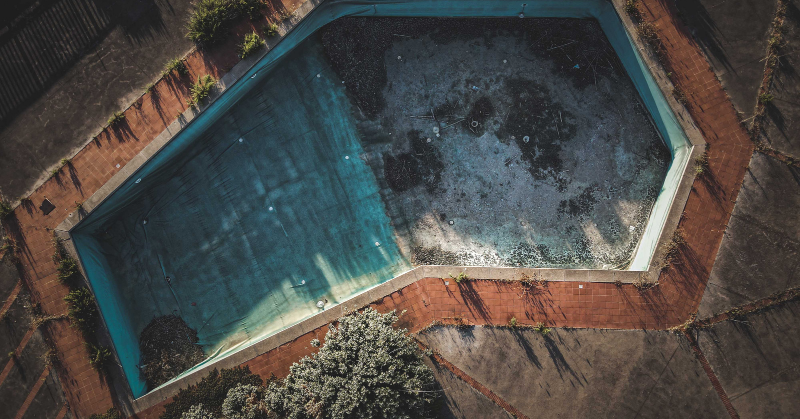
A concrete swimming pool is built for strength, durability, and long-term enjoyment. However, even the most well-constructed pools eventually show signs of wear. Over time, environmental factors, water pressure, temperature changes, and regular usage can weaken the concrete structure. When damage appears, swimming pool concrete repair becomes essential to protect the integrity of the pool and ensure safety.
Many homeowners assume minor cracks or surface damage are harmless, but ignoring these warning signs can lead to larger structural issues and costly renovations. Pool damage often begins subtly, which is why recognizing the early symptoms of deterioration is crucial. In this guide, we will explore the most common warning signs that indicate your pool requires swimming pool concrete repair, why these issues occur, and when it’s time to call a professional contractor.
Why Concrete Swimming Pools Develop Problems
Concrete pools are exposed to constant stress. Water pressure pushes outward, soil pressure pushes inward, and weather conditions affect the material over time. Freeze-thaw cycles, shifting soil, and aging construction materials can cause cracks, leaks, and structural damage.
Poor drainage, improper installation, or outdated construction methods can also contribute to deterioration. In some cases, pool decks and surrounding structures begin to degrade before the pool shell itself, requiring swimming pool concrete deck repair along with structural fixes. A qualified Vancouver concrete contractor understands how local climate conditions and soil composition influence concrete performance, which helps determine the most effective repair solutions.
1. Visible Cracks in the Pool Structure
One of the clearest signs that you need swimming pool concrete repair is visible cracking in the pool walls or floor. Small hairline cracks may seem harmless, but they can allow water to seep into the concrete. Over time, this moisture can expand and worsen the damage.
Pool owners should be aware of several types of cracks that can develop over time, including hairline surface cracks, structural cracks that widen progressively, vertical cracks along pool walls, and cracks near plumbing fixtures or pool corners. Many homeowners search for how to repair a crack in a concrete swimming pool, but the appropriate solution depends on the crack’s size and underlying cause. While small cosmetic cracks may be patched easily, structural cracks often require professional evaluation to prevent further damage. Ignoring even minor cracks is one of the quickest ways to turn a simple repair into a costly and extensive renovation.
2. Water Level Dropping Faster Than Normal
If your pool requires frequent refilling, the issue may not be evaporation. Hidden cracks or structural weaknesses can allow water to leak from the pool shell. Water leaks often accompany structural damage, making swimming pool concrete repair necessary to restore the pool’s integrity. Leaks in an inground concrete swimming pool can cause a range of serious issues if left unaddressed. They may lead to soil erosion around the pool, compromise structural stability, increase water bills, and even damage nearby landscaping or structures. Addressing these problems promptly is essential to maintain the pool’s safety and longevity. Professional inground concrete swimming pool repair typically includes precise leak detection, crack sealing, and structural reinforcement, ensuring that the underlying issues are fully resolved and reducing the likelihood of recurring problem
3. Rough or Flaking Concrete Surfaces
Another warning sign is a rough, peeling, or flaking pool surface. This condition is often called spalling, which occurs when the top layer of concrete begins to break apart.
Spalling in a swimming pool often occurs due to factors such as chemical imbalances in the pool water, freeze-thaw cycles, aging plaster or coatings, or poor initial construction. This surface damage can compromise both the appearance and durability of the pool, and if left untreated, it may spread further. When spalling becomes significant, professional swimming pool concrete repair is necessary to resurface the affected areas and protect the underlying concrete, restoring structural integrity and ensuring the pool remains safe and visually appealing.
4. Damage to the Pool Deck
Your pool deck plays an important role in supporting the surrounding structure and providing safe access to the water. Cracks, uneven slabs, or sinking sections of the deck often indicate underlying problems. These issues may require swimming pool concrete deck repair, especially when caused by soil movement or drainage problems. Common deck problems around a swimming pool include large cracks across the deck, uneven or sunken concrete slabs, water pooling near the pool edge, and loose or deteriorating concrete surfaces. These issues can affect both safety and aesthetics, making timely assessment important. A professional Vancouver concrete contractor can evaluate the situation to determine whether the deck damage is isolated or linked to underlying structural problems in the pool itself. Their expertise ensures that repairs address the root cause, restoring functionality, safety, and long-term durability.
5. Hollow or Weak Areas in the Concrete
If parts of your pool sound hollow when tapped, it may indicate that the concrete has separated from its base layer. This condition weakens the structure and increases the risk of cracking or collapse. These weak areas often develop due to water infiltration or improper bonding during construction. Prompt swimming pool concrete repair can restore structural strength and prevent further deterioration. In many cases, inground concrete swimming pool repair includes removing damaged sections and applying specialized repair materials designed to bond with the existing structure.
6. Stains and Discoloration That Won’t Go Away
While many pool stains are harmless mineral deposits, persistent discoloration may signal deeper structural issues. When these problems appear, swimming pool concrete repair may involve sealing cracks, treating corrosion, and resurfacing damaged areas. Addressing the underlying cause is essential to prevent recurring problems.
7. Age of the Pool Structure
Even well-maintained pools eventually require repairs. Concrete pools typically last several decades, but aging materials may weaken over time. Older swimming pools are more prone to issues such as structural cracking, surface deterioration, outdated waterproofing systems, and deck instability. Over time, wear and environmental factors can compromise the pool’s integrity, making regular maintenance essential. Routine inspections help identify these problems early, allowing for timely swimming pool repairs before they escalate into major structural issues. By addressing concerns promptly, homeowners can maintain both the safety and longevity of their pool while avoiding costly and extensive repairs in the future.
The Importance of Professional Repairs
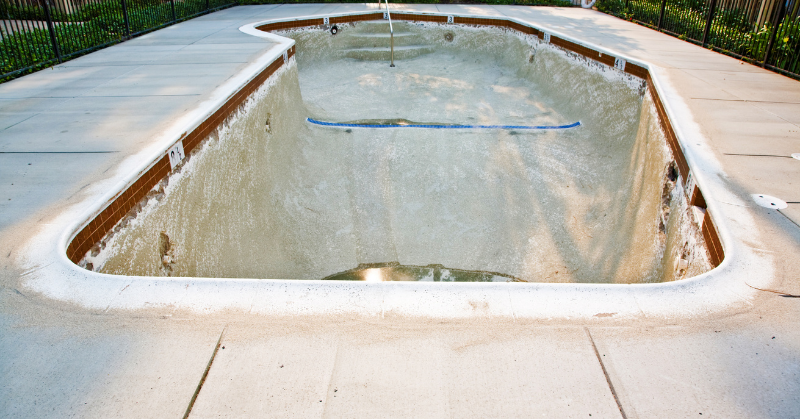
Although many homeowners search online for ways to repair cracks in a concrete swimming pool, DIY solutions often fail to address the underlying cause of the damage. Professional contractors employ specialized techniques such as epoxy crack injection, structural reinforcement, surface resurfacing, and waterproof coatings to ensure a durable and effective repair. An experienced Vancouver concrete contractor knows how to assess structural issues accurately and recommend long-lasting solutions. Proper inground concrete swimming pool repair not only restores the pool’s appearance but also safeguards the entire structure, preventing further damage and extending its lifespan.
Preventing Future Concrete Pool Damage
While some repairs are unavoidable, adopting regular maintenance practices can significantly reduce the risk of damage to a swimming pool. Keeping the pool water chemistry balanced helps prevent chemical-related deterioration, while routine inspections allow you to identify cracks or leaks early. Ensuring proper drainage around the pool area prevents water accumulation that can weaken the structure, and addressing minor issues promptly stops them from becoming major problems. Additionally, scheduling periodic professional inspections provides expert guidance and ensures that the pool remains safe, functional, and long-lasting. Preventative care significantly extends the lifespan of a concrete pool and minimizes the need for major swimming concrete repair. Soil conditions, pool size, water table levels, and climate all influence the type of foundation required for a stable and long-lasting pool structure.
Conclusion
Concrete pools are designed to last for many years, but they still require maintenance and occasional repairs. Cracks, leaks, surface damage, and deck problems are all signs that the structure may need immediate attention.
Recognizing these warning signs early allows homeowners to address issues before they escalate into expensive renovations. Timely swimming concrete repair protects both the appearance and structural integrity of your pool. If you notice cracks, leaks, rough surfaces, or deck damage, consulting a professional contractor is the best way to ensure a safe and lasting repair. Connect directly with the Cascana Construction team for quotes, consultations, scheduling, and expert concrete project support and advice.
If you’re planning your next project, make sure you partner with a skilled and reputable team that understands both craftsmanship and structural excellence. Trusted concrete construction experts delivering durable, modern solutions for residential and commercial projects with quality, precision, and satisfaction guaranteed. Quick contact form for fast project inquiries, detailed estimates, and personalized concrete service planning with prompt professional response.
FAQs
1. What causes damage that requires swimming pool concrete repair?
Common causes include soil movement, freeze-thaw cycles, water pressure, chemical imbalance, and natural aging of the concrete structure.
2. How do professionals handle inground concrete swimming pool repair?
Professionals typically inspect the pool, identify structural issues, seal cracks, repair damaged areas, and apply protective coatings to restore durability.
3. Can swimming pool concrete deck repair improve pool safety?
Yes. Repairing cracks, uneven slabs, or damaged surfaces reduces slip hazards and helps maintain the structural stability of the pool area.
4. How do I know how to repair a crack in a concrete swimming pool?
Small surface cracks may be patched, but structural cracks require professional evaluation to determine the correct repair method and prevent further damage.